rating iconrating iconrating icon

AC Not Cooling In Los Angeles: 12 Reasons Why and What to Do About Each

April 7, 2026
LA Heating and Air Technician replacing blower motor in Canoga Park

When your air conditioner is running but your house is still hot, something is wrong. The good news is that most AC cooling problems have identifiable causes, and many can be diagnosed before you call a technician. The bad news is that ignoring the problem usually makes it worse and more expensive to fix.

This guide covers the 12 most common reasons your AC is not cooling your home and what you should do about each one.

1. Dirty Air Filter

This is the most common cause of AC cooling problems and the easiest to fix yourself.

Your air filter traps dust, pet dander, and debris before it enters your HVAC system. When the filter gets clogged, airflow drops dramatically. Your AC has to work harder to push air through the restriction, and less conditioned air reaches your living spaces.

A severely clogged filter can cause your evaporator coil to freeze, which makes the problem even worse.

What to do: Check your air filter right now. If you cannot see light through it, replace it. Standard filters should be changed every 33-6 months depending on your home environment. Homes with pets, smokers, or high dust levels need more frequent changes.

2. Thermostat Issues

Sometimes the problem is not your AC at all. It is the thermostat telling it what to do.

Common thermostat problems include dead batteries, incorrect settings, and placement in direct sunlight or near heat sources. If your thermostat reads the wrong temperature, it sends incorrect signals to your AC system.

What to do: First, check that your thermostat is set to "cool" and not "heat" or "fan only." Make sure the temperature is set lower than the current room temperature. Replace the batteries if your display is dim or blank. If your thermostat is in direct sunlight or near a lamp, it may think the room is hotter than it actually is.

3. Low Refrigerant

Refrigerant is the chemical compound that absorbs heat from your indoor air and releases it outside. Your AC system does not consume refrigerant like a car consumes gasoline. If refrigerant is low, you have a leak somewhere in the system.

Signs of low refrigerant include warm air from vents, ice forming on refrigerant lines, a hissing or bubbling sound near the indoor unit, and higher than normal electric bills.

What to do: This is not a DIY fix. Handling refrigerant requires EPA certification and specialized equipment. Call a licensed HVAC technician to locate the leak, repair it, and recharge the system with the correct amount of refrigerant. Simply adding refrigerant without fixing the leak wastes money and harms the environment.

Call LA Heating and Air to Schedule a Service Call Today!

4. Frozen Evaporator Coil

The evaporator coil sits inside your home and absorbs heat from indoor air. When airflow is restricted or refrigerant levels are low, the coil can get too cold and ice forms on its surface. Once ice builds up, the coil cannot absorb heat effectively and your AC blows warm air.

Common causes include dirty air filters, blocked return vents, low refrigerant, and a malfunctioning blower fan.

What to do: Turn off your AC and let the ice melt completely. This can take several hours. Do not try to chip the ice off as you can damage the coil. Once melted, check your air filter and make sure all vents are open. If the coil freezes again after restarting, call a technician in Los Angeles to diagnose the underlying cause.

5. Dirty Condenser Coils

The condenser coil sits in your outdoor unit and releases the heat absorbed from inside your home. Over time, dirt, grass clippings, leaves, and debris accumulate on the coil fins. This insulating layer prevents efficient heat transfer and forces your system to work harder.

In severe cases, a dirty condenser can cause your AC to overheat and shut down completely.

What to do: Turn off power to your outdoor unit. Gently rinse the coils with a garden hose from the inside out. Do not use a pressure washer as the force can bend the delicate aluminum fins. Remove any debris, leaves, or vegetation within two feet of the unit. Schedule professional coil cleaning annually as part of routine maintenance.

6. Blocked or Leaky Ductwork

Your ductwork is the highway that delivers conditioned air throughout your home. If ducts are crushed, disconnected, or leaking at the seams, much of that cooled air never reaches your living spaces.

Homes with ducts running through unconditioned attics or crawl spaces often lose 20 to 30 percent of cooled air before it reaches the vents. You are paying to air condition your attic instead of your home.

What to do: Walk through your home and check airflow at each vent. Weak flow at certain vents suggests a duct problem in that branch. Visible ductwork in basements, attics, or crawl spaces can be inspected for obvious disconnections or damage. Duct sealing and repair should be performed by a professional who can pressure test the system and identify hidden leaks.

7. Faulty Compressor

The compressor is the heart of your AC system. It pressurizes refrigerant and circulates it between the indoor and outdoor units. When the compressor fails, your AC cannot transfer heat and will blow room temperature air.

Compressor failure is one of the most expensive AC repairs. Depending on the age of your system, replacement of the entire outdoor unit or full system may make more financial sense than compressor replacement alone.

What to do: If your outdoor unit is running but the compressor is not engaging, or if you hear clicking sounds followed by the unit shutting off, call a technician for diagnosis. Compressor problems are not DIY repairs. A professional can determine whether repair or replacement is the better investment.

8. Capacitor Failure

Capacitors are small cylindrical components that store electrical energy and provide the initial jolt needed to start your compressor and fan motors. They also help keep motors running efficiently.

Capacitors are one of the most common failure points in AC systems, especially in hot climates where they endure repeated stress from frequent cycling.

Signs of capacitor failure include the AC not starting, humming sounds without the fan spinning, the system shutting off randomly, or the outdoor fan running slowly.

What to do: Capacitors can hold dangerous electrical charges even when power is off. Do not attempt to test or replace them yourself unless you have proper training. This is a relatively inexpensive repair when performed by a technician, usually between $250 and $325 including parts and labor.

9. Fan Motor Problems

Your AC has two fan motors. The indoor blower motor pushes air across the evaporator coil and through your ductwork. The outdoor condenser fan motor pulls air across the condenser coil to release heat.

If either motor fails, your AC cannot move heat effectively. Indoor motor failure results in weak or no airflow from vents. Outdoor motor failure causes the condenser to overheat and shut down on safety limits.

What to do: If you hear grinding, squealing, or scraping sounds from either unit, turn off the system to prevent further damage. A technician can determine whether the motor needs lubrication, repair, or replacement. Motor replacement typically costs $450 to $750 depending on the type and accessibility.

10. Clogged Condensate Drain Line

As your AC cools air, it removes moisture that collects on the evaporator coil and drips into a drain pan. This water flows through a condensate drain line to the outside of your home or a floor drain.

Over time, algae, mold, and debris can clog this drain line. When water cannot drain, it backs up into the pan and can trigger a safety float switch that shuts down your AC to prevent water damage.

What to do: Locate your condensate drain line, usually a PVC pipe near your indoor unit. You can try clearing minor clogs by pouring a cup of white vinegar down the drain access point. For stubborn clogs, a wet/dry vacuum can pull debris from the outdoor end of the line. Persistent clogs may require professional cleaning with specialized equipment.

11. Undersized AC System

If your AC has never adequately cooled your home, especially during the hottest days, the system may be too small for the space.

An undersized AC will run constantly without reaching the set temperature. It was either improperly sized during installation or your cooling load has increased due to home additions, removed shade trees, or new heat-generating appliances.

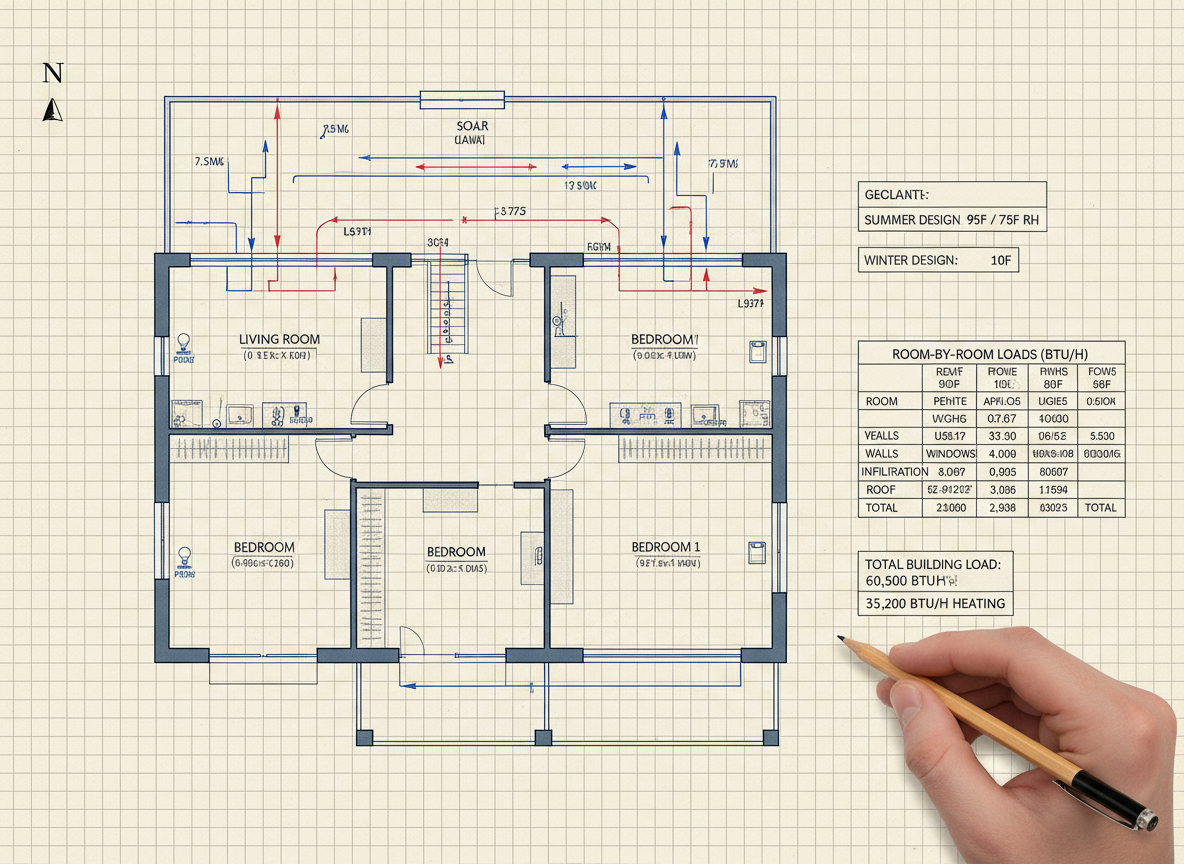
What to do: This is not a repair issue but a sizing issue. A qualified HVAC contractor can perform a Manual J load calculation to determine the correct size for your home. If your system is significantly undersized, replacement with a properly sized unit is the only real solution.

12. Extreme Outdoor Temperatures

Air conditioners are designed to maintain a temperature differential of about 20 degrees between indoor and outdoor air. When outdoor temperatures exceed 100 to 110 degrees, even a properly functioning AC may struggle to keep up.

This is especially common in hot climates where summer temperatures regularly push equipment beyond its design limits, due to the heat waves in Los Angeles a professional technician is required to help resize and fix you ac unit properly.

What to do: On extremely hot days, close blinds on sun-facing windows, avoid using heat-generating appliances during peak afternoon hours, and consider raising your thermostat setting by a few degrees to reduce strain on the system. If your AC consistently cannot maintain comfort during moderate heat, there may be an underlying issue worth investigating.

When to Call a Professional

Some AC problems are safe to troubleshoot yourself. Changing a filter, clearing debris from your outdoor unit, and checking thermostat settings are all reasonable DIY tasks.

However, anything involving refrigerant, electrical components, or internal system repairs should be left to licensed professionals. Working on these components without proper training can be dangerous and may void your equipment warranty.

If your AC is not cooling and basic troubleshooting does not solve the problem, call a qualified HVAC contractor. A proper diagnosis identifies the root cause and prevents you from throwing money at the wrong repair.

Call us today at (818) 660-1062 to have a certified technician come and diagnose your ac unit issue.

Customer Reviews & Testimonials

Shape- Social Media IconShape BG CTA

New In Our Blog

Piggy Bank with cash falling out near AC

Real Heat Pump Replacement Costs in Los Angeles (3 Case Studies With Exact Prices & Rebates)

Three real heat pump replacement case studies completed in Los Angeles showing exact installation prices, rebate timelines, and true net costs after incentives.

Piggy Bank with cash falling out near AC

Why Load Calculations Are Essential for Heat Pump Installation in Los Angeles

Discover how Manual J load calculations ensure accurate heat pump sizing, better comfort, lower energy bills, and compliance with Los Angeles rebate and Title 24 requirements.

Piggy Bank with cash falling out near AC

Heat Pump Rebates in Los Angeles (2026): Complete Guide to HEEHRA, LADWP, Burbank, Glendale, Federal Tax Credits & More

See all heat pump rebates available in Los Angeles, including HEEHRA, LADWP, Burbank, Glendale, GoZero, SCE incentives, and the $2,000 federal tax credit

Piggy Bank with cash falling out near AC

Heat Pump Installation & Electrification in Los Angeles: Complete Cost, Rebate & Contractor Guide

Heat pumps are rapidly becoming the preferred HVAC solution for Los Angeles homeowners looking to reduce energy bills, improve comfort, and qualify for major California rebates. This hub is your complete, authoritative guide to everything you need to understand before replacing your AC or furnace with a modern heat pump — including costs, rebates, system sizing, and how to choose the right contractor.

Piggy Bank with cash falling out near AC

Heat Pump Installation in Los Angeles: How to Choose the Right Contractor

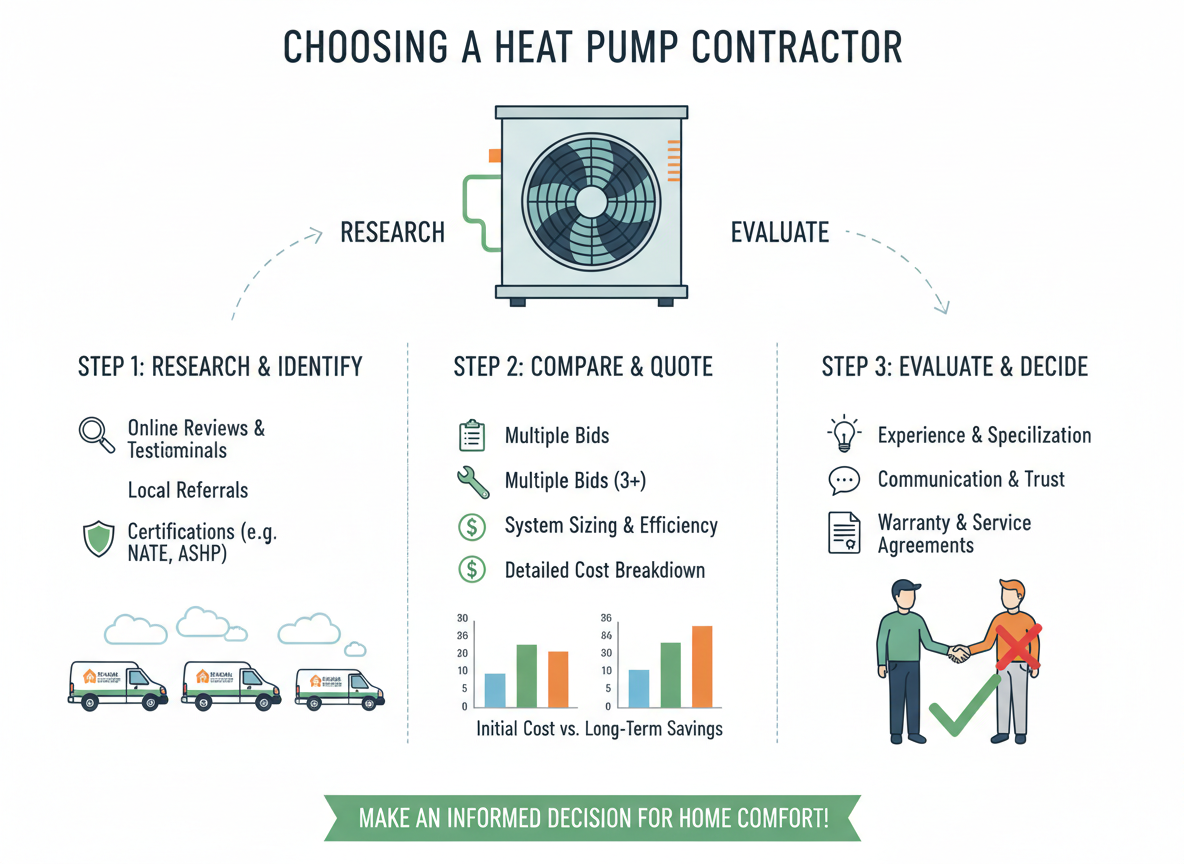
This guide explains how heat pump installation works in Los Angeles and what homeowners should look for when choosing a contractor. It covers installation requirements, common mistakes, certification and permit considerations, pricing factors, and how to avoid issues that affect comfort, rebates, and long-term performance—so you can make an informed decision before installing a heat pump.

Piggy Bank with cash falling out near AC

Why TECH-Certified Contractors Are Required for Heat Pump Rebates in California

If you’re considering a heat pump in California, this post explains one critical requirement most HVAC companies leave out: TECH certification. You’ll learn why the state requires TECH-certified contractors for rebates, how certification affects install quality and system performance, and what can go wrong if you choose the wrong installer. It also shows how TECH compliance protects you from denied rebates, poor airflow, and systems that can’t keep up with LA heat—so you can make a confident, informed decision before you install.

We Install and Service All Major Makes and Models

{ "@context": "https://schema.org", "@type": "Organization", "name": "LA Construction Heating and Air", "url": "https://www.laheatingairconditioning.com" }