


AC Replacement in Los Angeles: HVAC Replacement and Installation Done to Code
Our Commitment to Excellence

Rebate Assistance

We Install All Major Brands

Flexible Financing

Permits & Code Compliance

Fully Insured

On-Time, On-Budget Delivery
Why Code-Perfect AC Replacements Deliver Stronger Cooling and Lower Energy Costs
Replacing an aging AC system is the perfect opportunity to improve efficiency, airflow, and overall comfort. But these benefits only occur when the system is replaced using upgrade-specific engineering standards, not basic swap-outs. Our replacements prioritize compliance with the newest SEER2 performance requirements and California Title 24 codes, including the documentation you need to apply for the rebates you qualify for.
Every AC installation includes:
- Manual J cooling-load calculation tailored to LA’s microclimates and home designs
- Title 24-compliant system selection to meet CA energy regulations
- Code-correct line-set replacement, full evacuation, and refrigerant charge verification
- Electrical and breaker upgrades for modern variable-speed AC system
- Energy-optimized system layout to reduce summertime electricity consumption
- Optional comfort zoning to give each space its own cooling performance control
Heating and Air Conditioning Units We Install / Replace
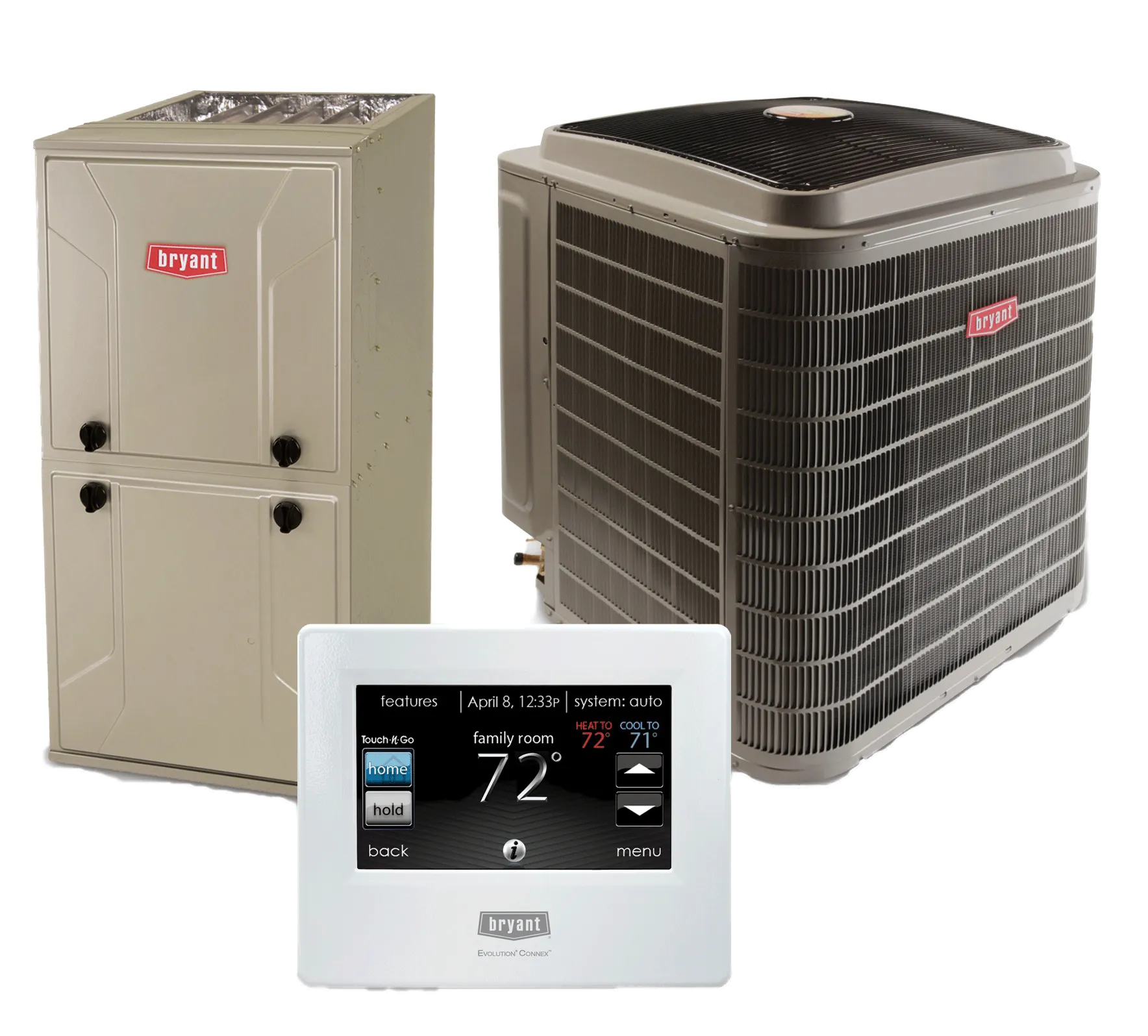
Experience Whole-Home Comfort with a Modern Split System
A split HVAC system delivers quiet, consistent comfort throughout your entire home, making it the gold standard for central heating and cooling. By placing the compressor and condenser in an outdoor unit and keeping the air handler indoors, this design minimizes noise while maximizing efficiency.
Need it fixed now? 24/7 emergency AC repair in Los AngelesThe result is a peaceful indoor environment with steady, even temperatures in every room. Ideal for both new construction and system replacements, a modern split system integrates seamlessly with your existing ductwork to deliver reliable, energy-efficient performance all year long. Whether you’re upgrading an aging system or building a new home, LA Heating & Air Conditioning ensures your split system installation is perfectly sized, expertly installed, and built for lasting comfort.
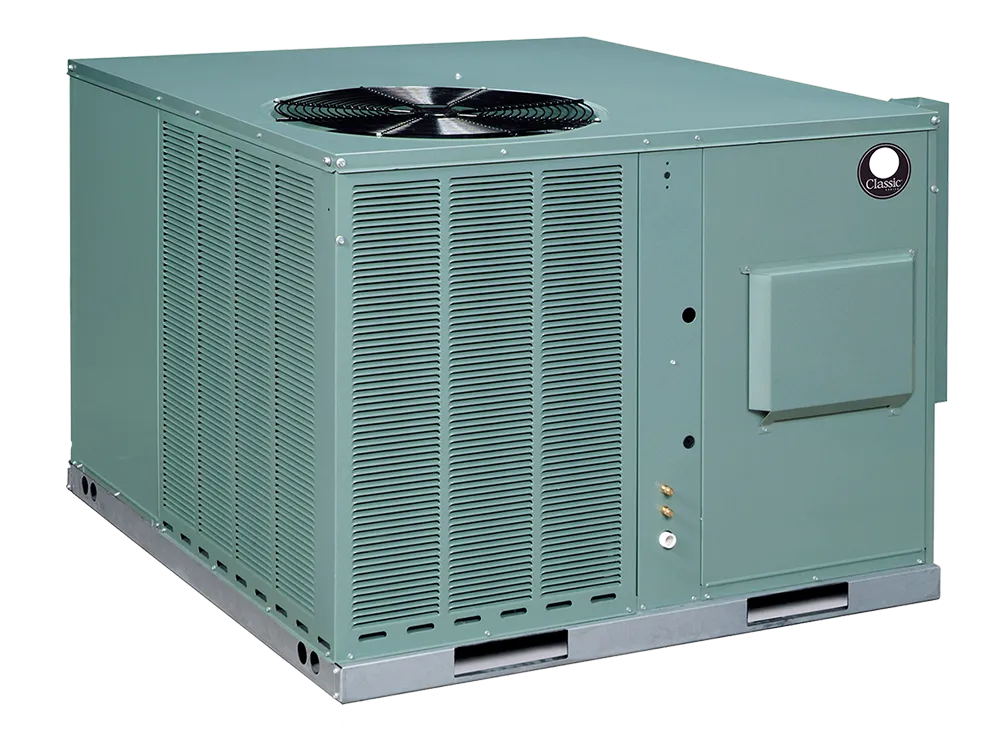
Space-Saving Comfort with Packaged HVAC Systems
Replacing your old packaged unit is one of the smartest ways to improve your home’s comfort, efficiency, and energy savings. Modern packaged air conditioning systems combine the compressor, condenser, and air handler into one sleek outdoor cabinet, saving valuable indoor space while delivering powerful heating and cooling all year long.
Today’s high-efficiency models are quieter, use less energy, and can significantly reduce your monthly utility bills compared to older units. At LA Heating & Air Conditioning, we specialize in package unit replacement and installation, ensuring your new system is properly sized, expertly installed, and built to last.
Our certified technicians handle everything from removal of your old equipment to setup and testing for peak performance. If your system is over 10 years old, struggling to keep up, or costing you more in repairs, now’s the perfect time to upgrade. Call us today for a free estimate and discover how a new packaged HVAC system can bring you year-round comfort and long-term savings.
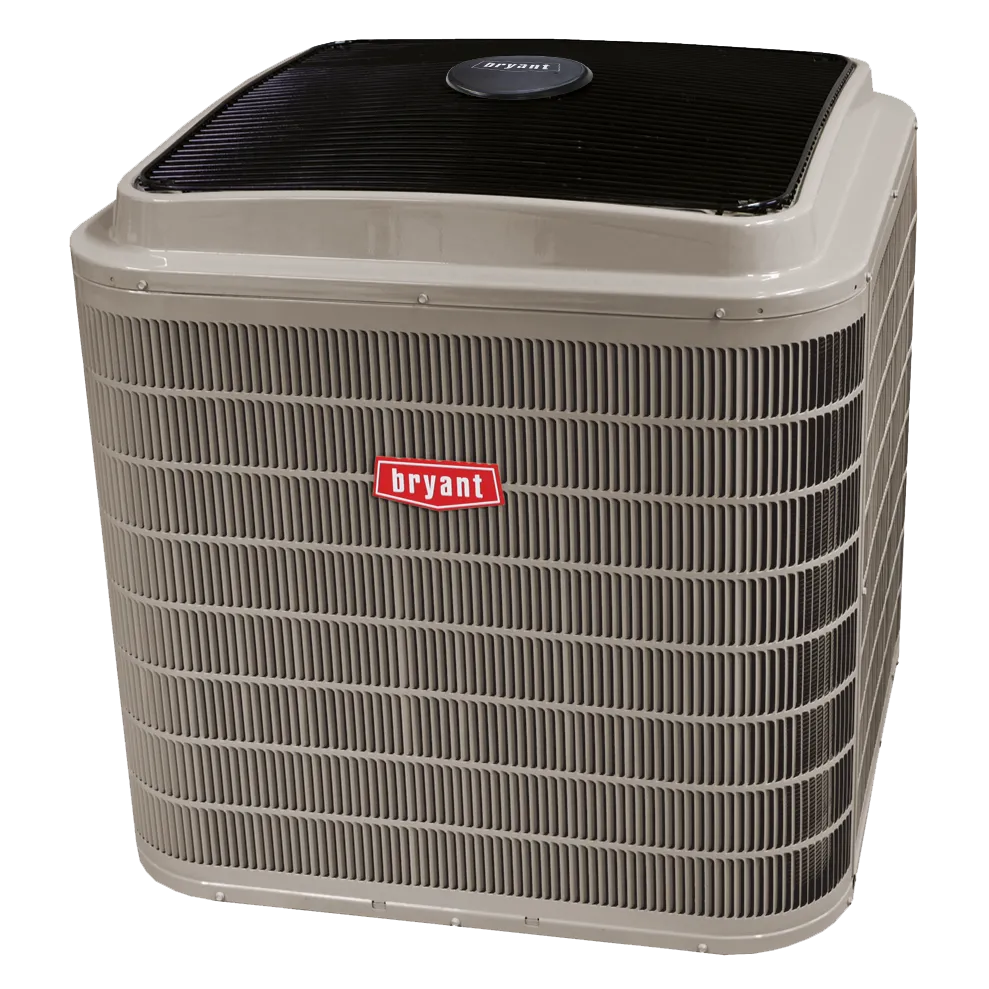
Upgrade to a Heat Pump and Unlock Thousands in Rebates
Heat pumps offer California homeowners an energy-efficient, eco-friendly way to stay comfortable year-round, and right now, they come with some of the biggest rebates available. By switching from a traditional air conditioner or gas furnace to a high-efficiency heat pump system, Los Angeles residents in LADWP territory can qualify for rebates of up to $1,250 per ton for ducted heat pumps (including package units) and up to $2,500 per ton for ductless mini-splits, depending on efficiency and subject to LADWP program rules and funding. Check out our tool for finding your California heat pump cost estimate, no email or sign up required!
These savings can dramatically reduce your upfront installation cost while lowering your monthly energy bills for years to come. A heat pump works as both a heater and an air conditioner, moving heat instead of burning fuel, making it perfectly suited to Southern California's mild climate. Our team at LA Heating & Air handles every step of your installation and gives you the documentation you need to file your rebate, so you can enjoy maximum comfort and maximum savings. Call us today, and we’ll help you find out exactly how much you can save on your new heat pump system.

Commercial AC Installation For All Business
Commercial HVAC systems, unlike their residential counterparts, are intricate, high-capacity networks designed for the unique demands of a business environment. While a home AC unit focuses on a single-zone space, a commercial system must maintain precise climate control across multiple zones, each with its own specific needs, from server rooms and retail spaces to conference halls and kitchens.
They are not merely for comfort but are critical infrastructure, engineered to handle heavy foot traffic, high-heat equipment, and rigorous operational schedules while minimizing energy consumption and ensuring business continuity.

Enjoy Customized Comfort with Ductless Mini Split Installation in Los Angeles
If you're looking for an efficient way to cool or heat specific rooms in your home, a ductless mini split system is the perfect solution. Our expert team specializes in ductless mini split installation, repair, and replacement across Los Angeles, Sherman Oaks, and the San Fernando Valley. These energy-efficient heat pump systems offer zoned temperature control, quiet operation, and year-round comfort without the need for bulky ductwork.
Whether you’re upgrading a garage conversion, home office, or room addition, our certified technicians ensure your mini split AC system is properly sized, expertly installed, and optimized for maximum efficiency. We also help homeowners take advantage of rebates and financing programs like LADWP's heat pump rebate, which can reduce the cost of upgrading to a ductless heat pump system.
AC replacement by area
AC replacement in EncinoProfessional AC Installation in Los Angeles & San Fernando Valley
Why Homeowners Choose LA Heating & Air For AC Replacements

15+ Years of HVAC Experience In LA County
Licensed, Local, and Trusted Technicians with 100's of 5 Star Reviews
Upfront Pricing with No Hidden Fees
Looking for trusted air conditioner installation or AC system replacement near me? Whether you're upgrading an old system or installing a new AC unit, our licensed HVAC team ensures efficient, clean, and code-compliant work. We proudly serve Los Angeles homeowners with expert service and transparent pricing. We service all cities including Encino, Porter Ranch, and Van Nuys.
750+ Five-Star Reviews: LA's Trusted HVAC Contractor
Get In Touch Today
We’re ready to help! Complete the form below, and we'll get back to you as soon as possible, or you can book online or call us 24/7.

Frequently Asked Questions
How much does an AC replacement cost on average?
The average ac replacement cost for an old system to a brand new system (with the new unit cost included) will be anywhere between $10,000 to $18,000.
If you want a full system AC replacement including the system and brand new ducting throughout the house, the full AC installation cost jumps to $14,000 to $22,000 depending on the home type.
How old should my HVAC system be for me to consider ac replacement?
A well maintained AC system can run efficiently for 15-20 years and a well maintained furnace for 15 – 25 years. If you have an older system in your home that has required many repairs recently, consider upgrading to a new system before the old system costs you many expensive repairs. If your system hasn't had any issues over 15-20 years it may make sense for you to ride it out until the first or second repair hits.
It is best to replace before it completely breaks down and you are left without cooling or heating when you need it the most.
My old ac unit is running fine? Why should I replace it now?
An ac unit may run for many years past the recommended replacement date. However, for a lot of those years it will probably run well below its rated EER. Which means it is running inefficiently and costing you extra money every year. Older units also tend to need repairs more frequently.
It is better to be proactive and invest in a ac installation that will save money in the long run. Questions to ask before replacing your HVAC system.
Is it better to have my whole HVAC system replaced at once?
If your condenser, furnace and ducting are all old it is better to replace them all at once. You won’t reap as much benefits (better airflow, higher efficiency, etc.) upgrading only part of your system to a new system. Get help choosing the right system for you.
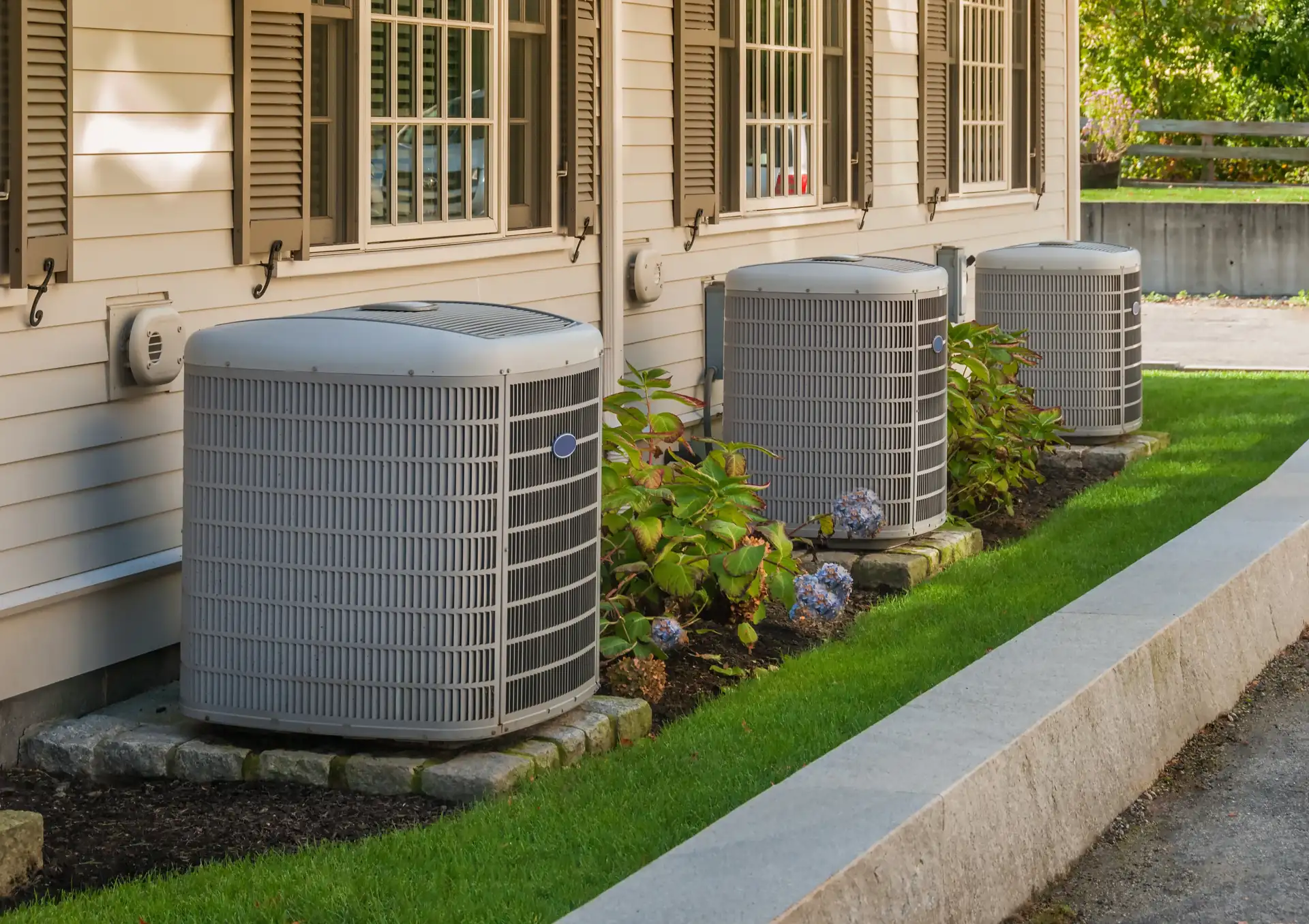
AC Installation Near Me: Your Los Angeles HVAC Contractor
Looking for professional AC installation near me? As your dedicated Los Angeles HVAC contractor, we understand that a air conditioner installation is a significant investment in your home's comfort. Our licensed and experienced team provides expert AC installation services, guiding you through every step of the process, from selecting the right high-efficiency unit for your space to a meticulous, code-compliant installation.
We are committed to delivering a seamless experience and a cooling solution that ensures your home remains comfortable and efficient for years to come. For homeowners, a professional AC installation near me is the foundation of a comfortable and energy-efficient home. Unlike a quick fix, a new ac installation is an investment that saves you money on utility bills and prevents costly breakdowns down the road.
Our licensed technicians don't just install a new ac unit; they meticulously size it to your home, ensure every component is integrated flawlessly, and guarantee it meets all safety and efficiency standards. We provide peace of mind, knowing your new system is built for lasting comfort and peak performance. Ready to upgrade your home? Contact us today for a free estimate on your new AC installation / replacement.

