Whole house air filtration units are installed between a furnace and the return air duct and are installed so they can capture airborne particles such as pollen, dust, spores, dander, bacteria and many other harmful particulates. Some air cleaners are non-electric media and others have a combined media and electric air filtration capability, the later being the best whole house air filter.
Performance of these air filters is measured in terms of how efficient they are at trapping micron-sized particles.
Read more...





Panel air conditioning air filters are the most common type of filters and are used in residential air conditioning units and furnaces to protect major parts of HVAC equipment from unwanted materials. Filtered are made from a fiberglass layers and are reinforced with a metal mash to support from collapse. They are not effective in capturing small airborne particles such as mold, allergens, dust, and bacteria and have a medium efficiency on larger particles, as long as they stay airborne and pass through the filter.
.jpg)
Pleated filters are produced by pleating filter media with wire support backing. Pleading increases the surface area of the filter, which in return increases filtration efficiency and filter life. Pleated air filters are next step up from disposable panel filters and capture small airborne particles such as dust, pollen, animal dander and other allergens. They vary in medium efficiency reporting value (MERV) and filters in efficiency from 7 to 10 are likely to be as effective as true HEPA filters.

A media air cleaner is designed to remove airborne particles and contaminants from the air as it passes through the duct system. Media air cleaners are the standard quality of air cleaners. These units help provide relief from allergies, asthma, and other respiratory illnesses.

An electronic air cleaner is designed to remove airborne particles and contaminants 0.3 microns and larger. Electronic air cleaners are a much better quality of air cleaner, and these units help provide relief from allergies, asthma, and other respiratory illnesses.

Air scrubbers are a powerful tool in the fight against allergies because they actively remove common allergens from your home's air. They target and eliminate microscopic irritants like pollen, pet dander, dust mites, and mold spores that can trigger allergic reactions. By continuously circulating and purifying the air, an air scrubber significantly reduces your exposure to these airborne allergens, providing noticeable relief from symptoms like sneezing, congestion, and itchy eyes
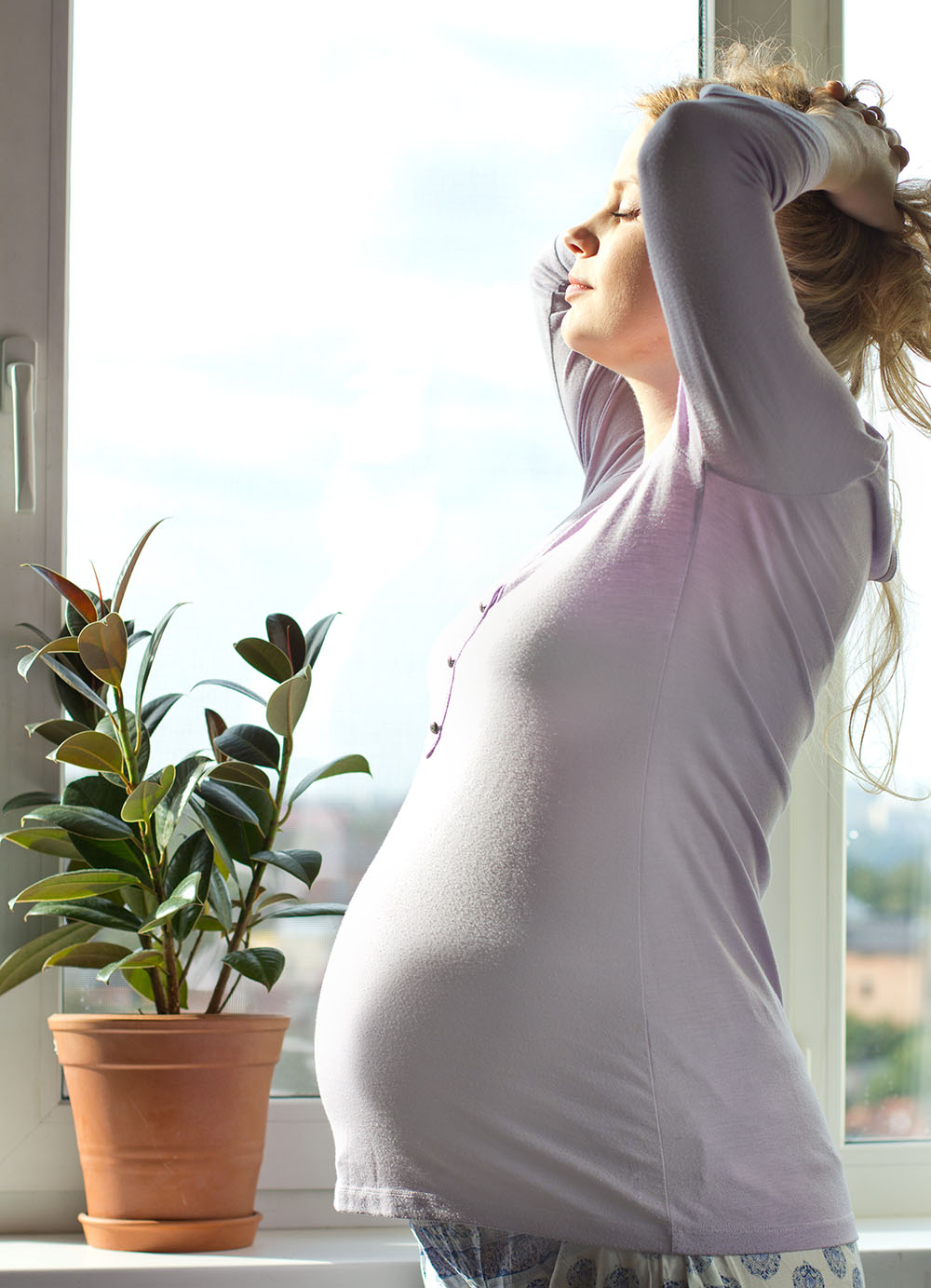
Indoor air quality (IAQ) refers to the overall condition of the air inside a building, which impacts the health, comfort, and productivity of its occupants. It's determined by the concentration of various pollutants, including dust, pollen, and chemical compounds, as well as factors like temperature, humidity, and ventilation. Poor IAQ can lead to a range of health issues, from minor irritations like headaches and fatigue to more serious respiratory problems. Therefore, managing IAQ is essential for creating a safe and comfortable environment, whether in a home, office, or school.

The most common indoor air pollutants related to HVAC systems are typically categorized as biological, particulate, and chemical. Biological contaminants like mold spores, bacteria, and viruses often thrive on the moisture and debris found on a system's evaporator coils and in its ductwork. Particulate matter, such as dust, pollen, and pet dander, is constantly circulated by the HVAC system, and if the filter is old or low-quality, these tiny particles are not effectively removed from the air. Finally, chemical pollutants, including Volatile Organic Compounds (VOCs) from cleaning supplies and building materials, as well as carbon monoxide from a faulty furnace, can be distributed throughout the building by a system with poor ventilation.
Regular professional HVAC maintenance, including coil cleaning, is crucial for improving indoor air quality. The easiest step is upgrading your air filter to a higher MERV rating to trap more particles. For a more advanced solution, integrating a UV light or an air scrubber can actively neutralize viruses and allergens throughout your home. Also, ventilating your home with open windows allows fresh air to come in and dilute any air pollutants that may already be inside your home. Opening the windows and even doors for 10 minutes a day while the air quality outside is good is a practical step that can be done today.
Poor indoor air quality can have a wide range of negative health effects, from minor discomforts to serious, long-term conditions. Immediate symptoms often include headaches, fatigue, dizziness, and irritation of the eyes, nose, and throat. For individuals with pre-existing respiratory conditions like asthma or allergies, poor IAQ can trigger severe attacks and worsen symptoms. In the long term, continuous exposure to pollutants like mold, carbon monoxide, and volatile organic compounds (VOCs) can contribute to the development of chronic respiratory diseases, heart disease, and even certain types of cancer.
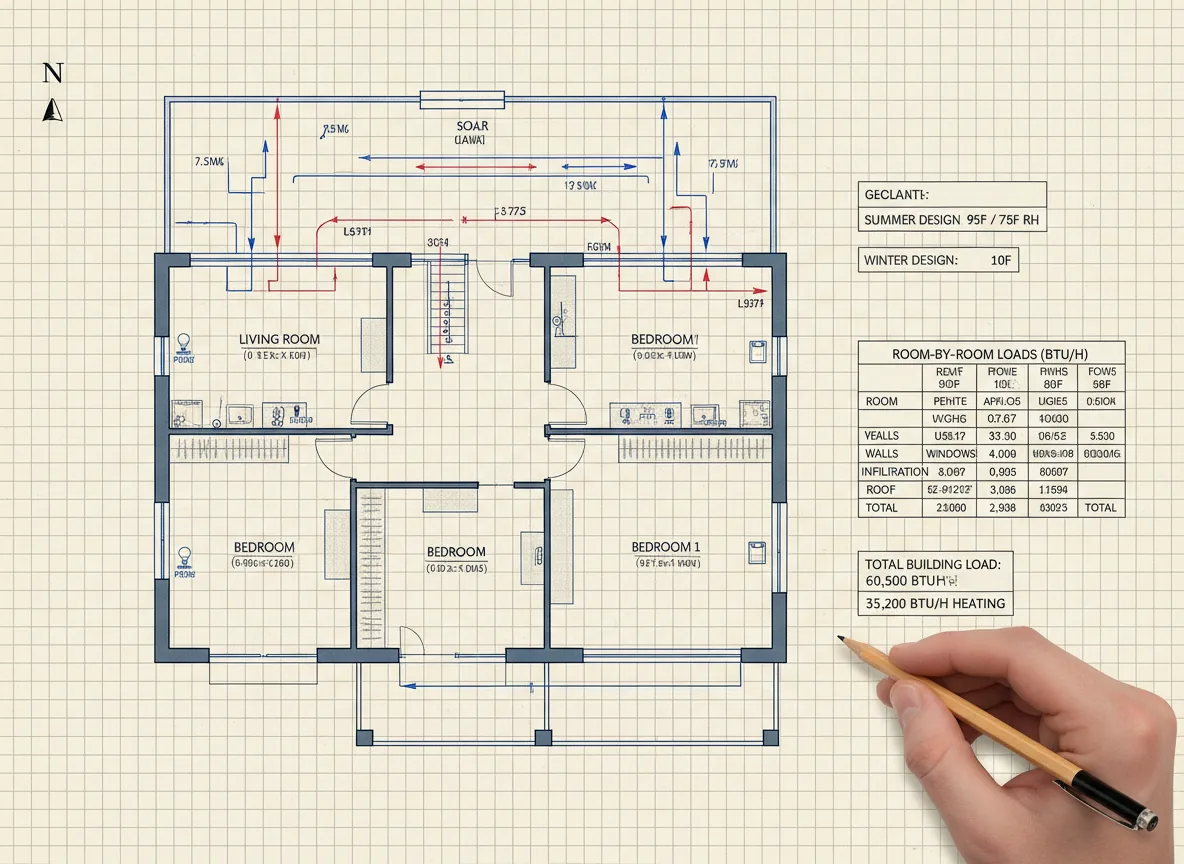
Discover how Manual J load calculations ensure accurate heat pump sizing, better comfort, lower energy bills, and compliance with Los Angeles rebate and Title 24 requirements.
See all heat pump rebates available in Los Angeles, including HEEHRA, LADWP, Burbank, Glendale, GoZero, SCE incentives, and the $2,000 federal tax credit
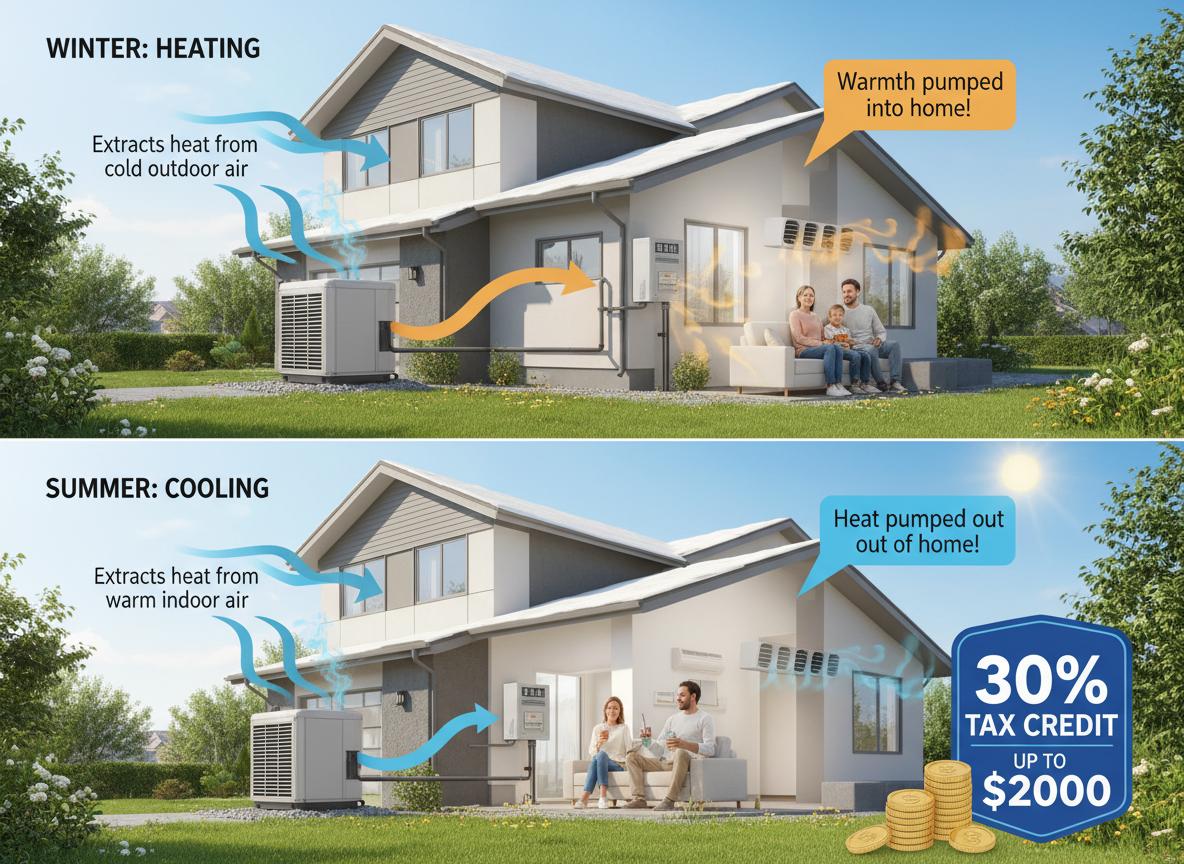
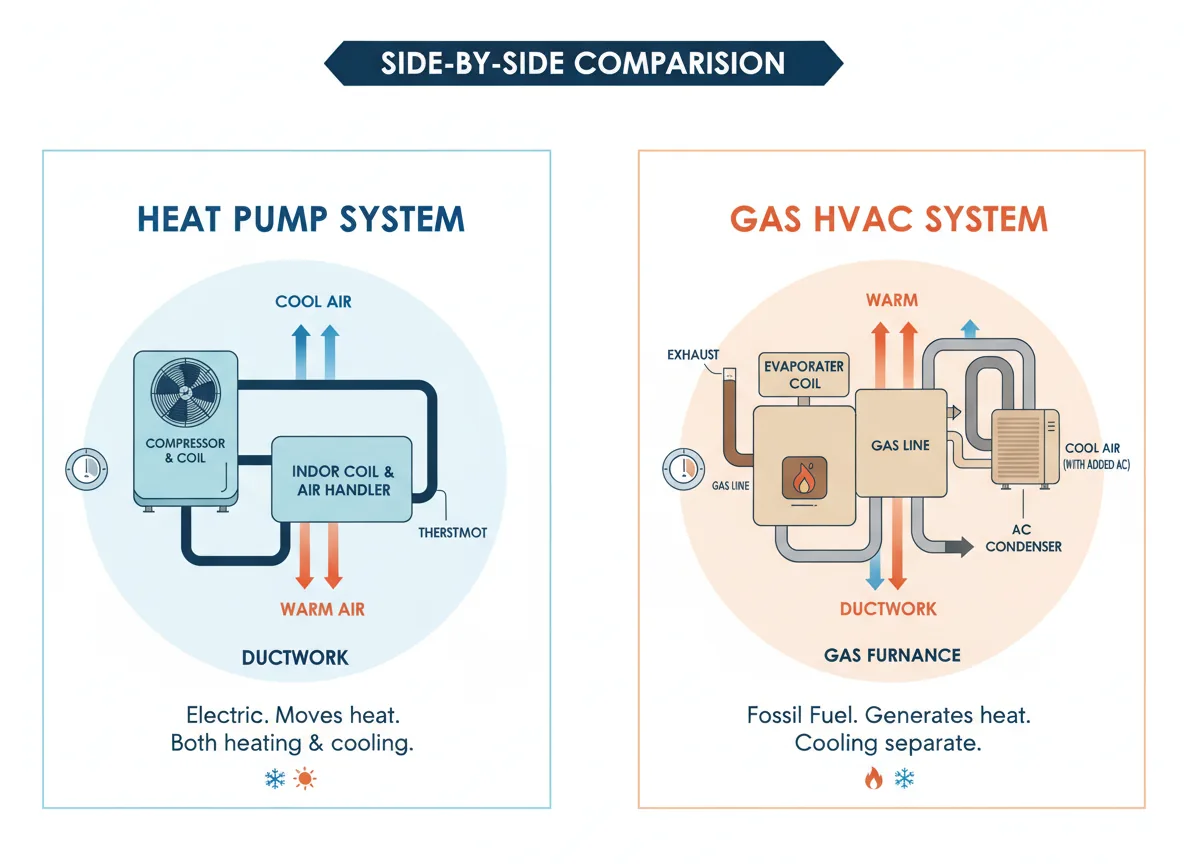
Heat pumps are rapidly becoming the preferred HVAC solution for Los Angeles homeowners looking to reduce energy bills, improve comfort, and qualify for major California rebates. This hub is your complete, authoritative guide to everything you need to understand before replacing your AC or furnace with a modern heat pump — including costs, rebates, system sizing, and how to choose the right contractor.
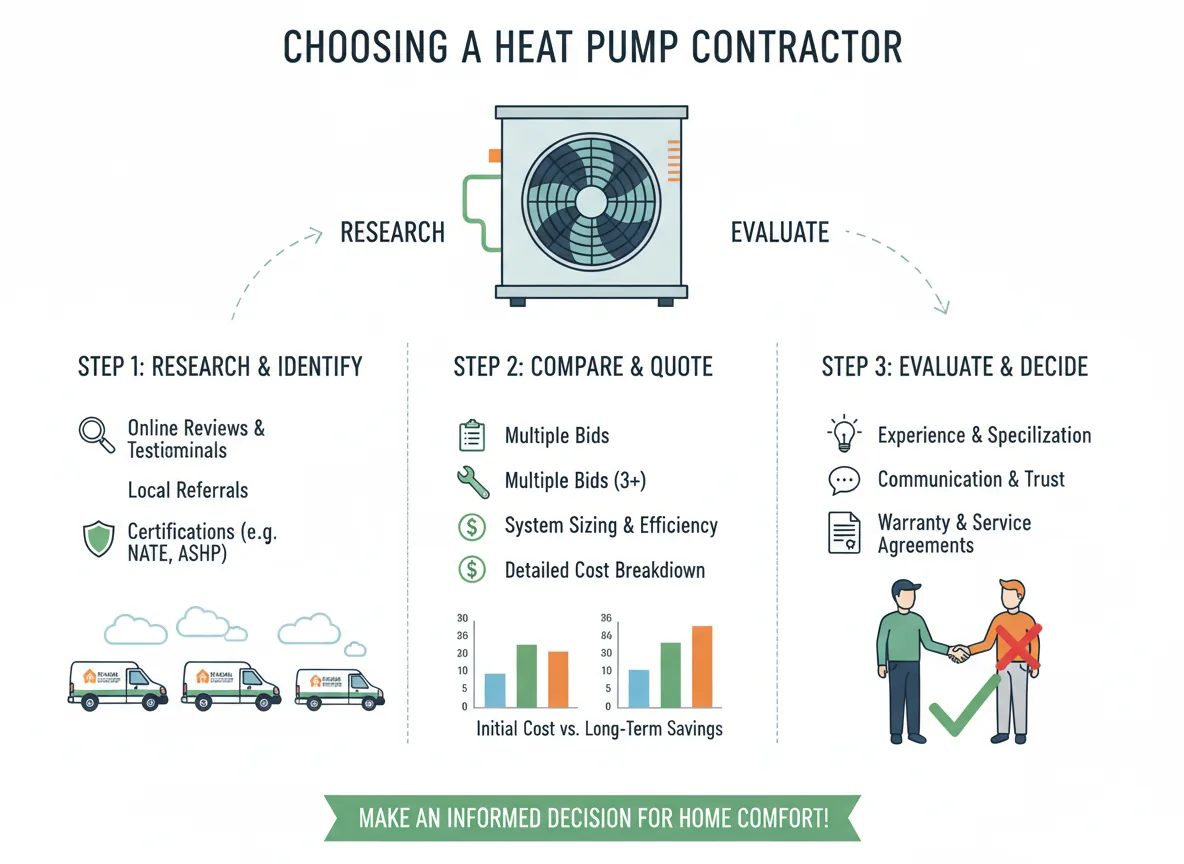
This guide explains how heat pump installation works in Los Angeles and what homeowners should look for when choosing a contractor. It covers installation requirements, common mistakes, certification and permit considerations, pricing factors, and how to avoid issues that affect comfort, rebates, and long-term performance—so you can make an informed decision before installing a heat pump.
If you’re considering a heat pump in California, this post explains one critical requirement most HVAC companies leave out: TECH certification. You’ll learn why the state requires TECH-certified contractors for rebates, how certification affects install quality and system performance, and what can go wrong if you choose the wrong installer. It also shows how TECH compliance protects you from denied rebates, poor airflow, and systems that can’t keep up with LA heat—so you can make a confident, informed decision before you install.
.png)
Learn how the HVAC $5,000 Rule helps you decide whether AC repair or replacement makes financial sense. Simple formula, expert guidance for LA homeowners.