Installing a heat pump in Los Angeles requires more than choosing the right equipment, it requires engineering-level precision to ensure proper heating, cooling, efficiency, and long-term reliability. That precision comes from a Manual J load calculation, the industry-standard method for determining exactly how much heating and cooling your home needs.
Because Los Angeles has a unique combination of mild winters, intense summer heat, diverse housing types, and strict Title 24 requirements, load calculations are not optional. They are mandatory for a high-performing, code-compliant heat pump system.
This guide explains what load calculations are, why they matter, and how skipping them can cost thousands in comfort issues, energy waste, and system failure. This article is part of our 2026 Complete Rebate Guide.
What Is a Load Calculation? (Manual J Explained)
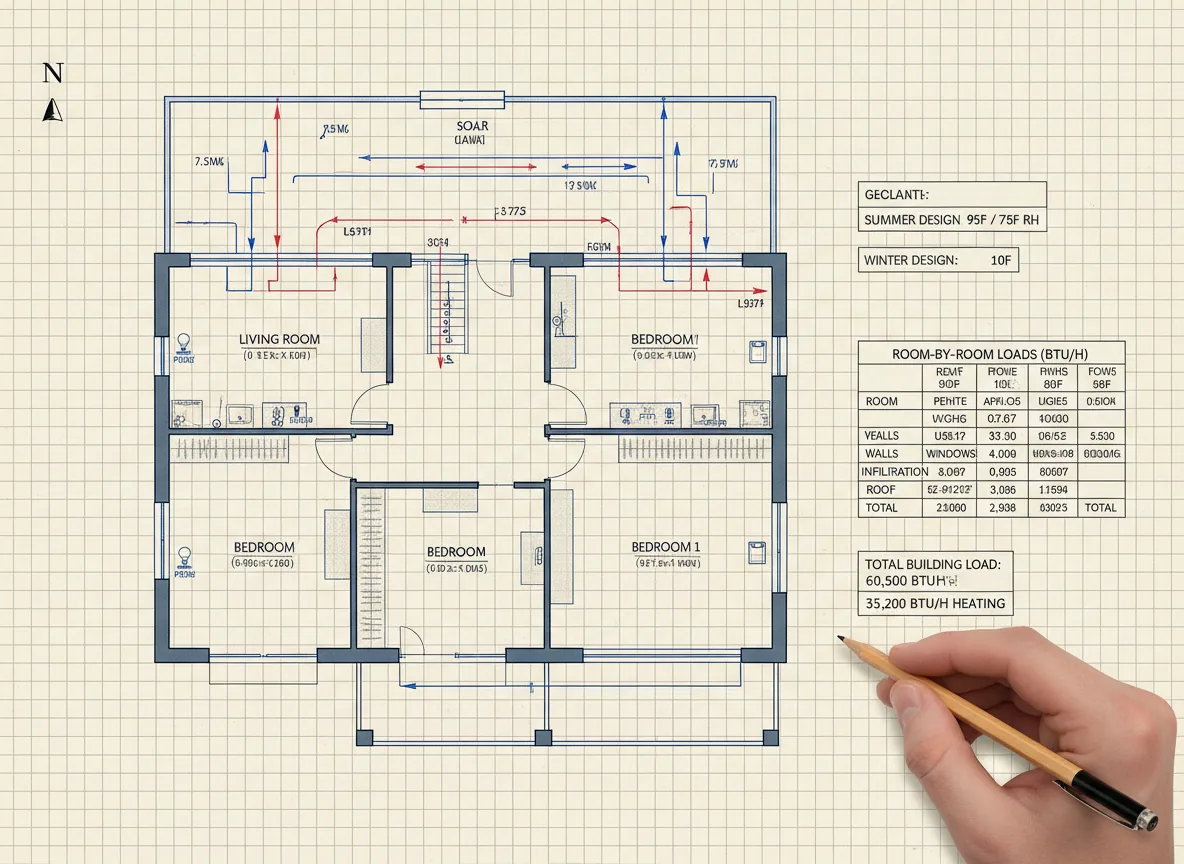
A Manual J load calculation is a detailed measurement of your home’s:
- Heating requirements (BTUs needed on cold nights)
- Cooling requirements (BTUs/tonnage needed during LA’s summer heat)
- Airflow demand per room
- Heat gain and heat loss based on:
- Home size
- Insulation levels
- Window orientation
- Duct condition
- Room layout
- Local climate data
This calculation determines the exact heat pump size your home needs, not too big, not too small.
Why Load Calculations Are Critical in Los Angeles Specifically
Los Angeles is not an “easy” city for HVAC sizing. Our climate presents two extremes:
1. High summer heat
If your heat pump is undersized, it will run continuously and struggle to cool.
2. Occasional winter chill
If the heat pump is oversized or improperly sized, it will short-cycle and fail to heat efficiently.
3. Highly varied housing styles
LA has:
- 1920s Craftsman homes
- 1950s ranch homes
- 1970s multifamily buildings
- Modern new construction
- ADUs with different insulation and volume
The same tonnage cannot fit every home, even if the square footage looks similar.
4. Title 24 requires load calculations
California building code mandates proper sizing using approved methods.
What Happens When a Heat Pump Is Not Properly Sized?
Skipping a load calculation is the #1 cause of poor heat pump performance. Here’s what can go wrong:
❌ 1. Oversized Heat Pump
- Short-cycles (turns on/off constantly)
- Causes uneven temperatures
- Fails to dehumidify
- Leads to premature system failure
- Higher bills
❌ 2. Undersized Heat Pump
- Runs nonstop in summer
- Cannot heat the home in winter nights
- Causes high electrical demand
- Increases repair issues
- Creates comfort complaints
❌ 3. Poor Airflow & Duct Issues
Even a perfectly sized system will perform poorly if airflow is not engineered to match the load.
How a Proper Load Calculation Is Performed
We complete a full Manual J and airflow assessment including:
1. Home Measurements
- Square footage
- Room-by-room volume
- Window orientation & shading
- Wall insulation
- Duct location & condition
2. Climate Data (Los Angeles Specific)
We use local climate zones for accurate sizing.
3. Manual J Heating & Cooling Load
Determines exact BTUs needed.
4. Manual S Equipment Selection
Ensures the selected heat pump matches the load.
5. Manual D Duct Design
Ensures ducts supply correct airflow to each room.
This ensures maximum comfort and highest efficiency.
Why Load Calculations Matter More for Heat Pumps Than Traditional HVAC
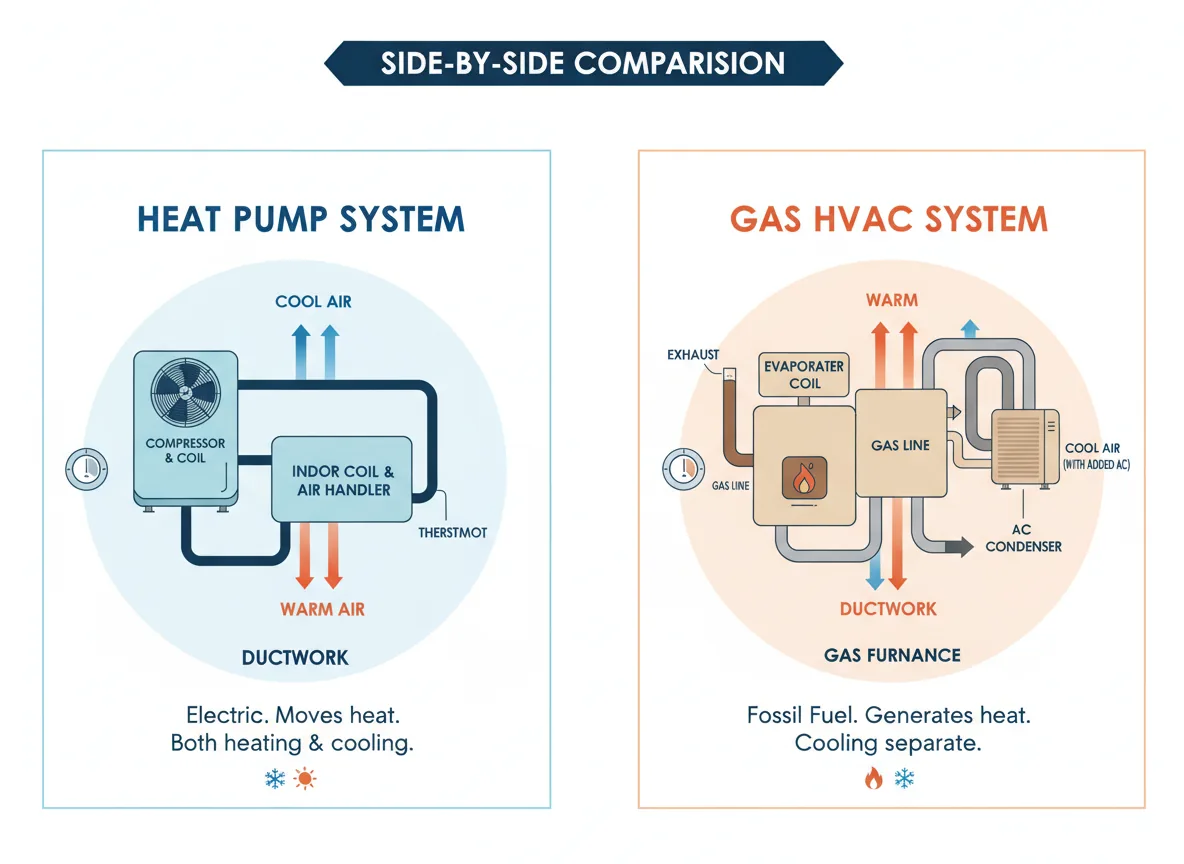
Traditional gas furnaces generate excess heat, if they’re oversized, comfort may still seem acceptable.
But heat pumps are different:
Heat pumps must match the load exactly because:
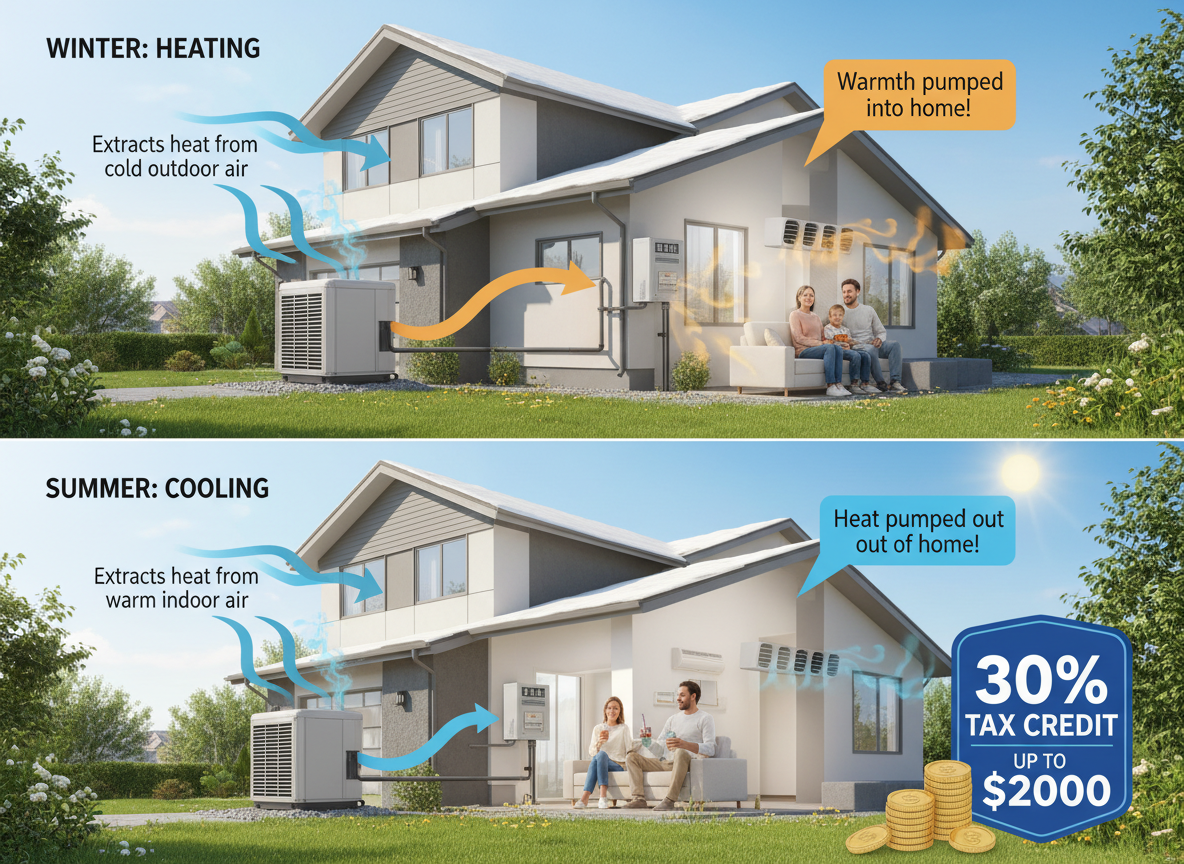
- They transfer heat rather than create large amounts of new heat
- Their efficiency depends on precision
- Variable-speed compressors require matching airflow
- Backup heat use increases dramatically if improperly sized
This is why heat pump sizing mistakes cause far more problems than furnace oversizing ever did.
How Load Calculations Connect to Title 24 (California Building Code)
Title 24 requires:
- Proper system sizing
- Verified airflow
- Approved installation methods
- Duct testing in most cases
Load calculations are the foundation of meeting Title 24, and required for passing inspection.
Signs Your Contractor Did NOT Perform a Load Calculation
Watch out for contractors who say:
- “We always install this size for a house like yours.”
- “2 tons per 1,000 sq ft” (This rule of thumb is outdated.)
- “We don’t need calculations, we can tell by looking.”
- “We’ll just match your old system’s size.”
These are major red flags.
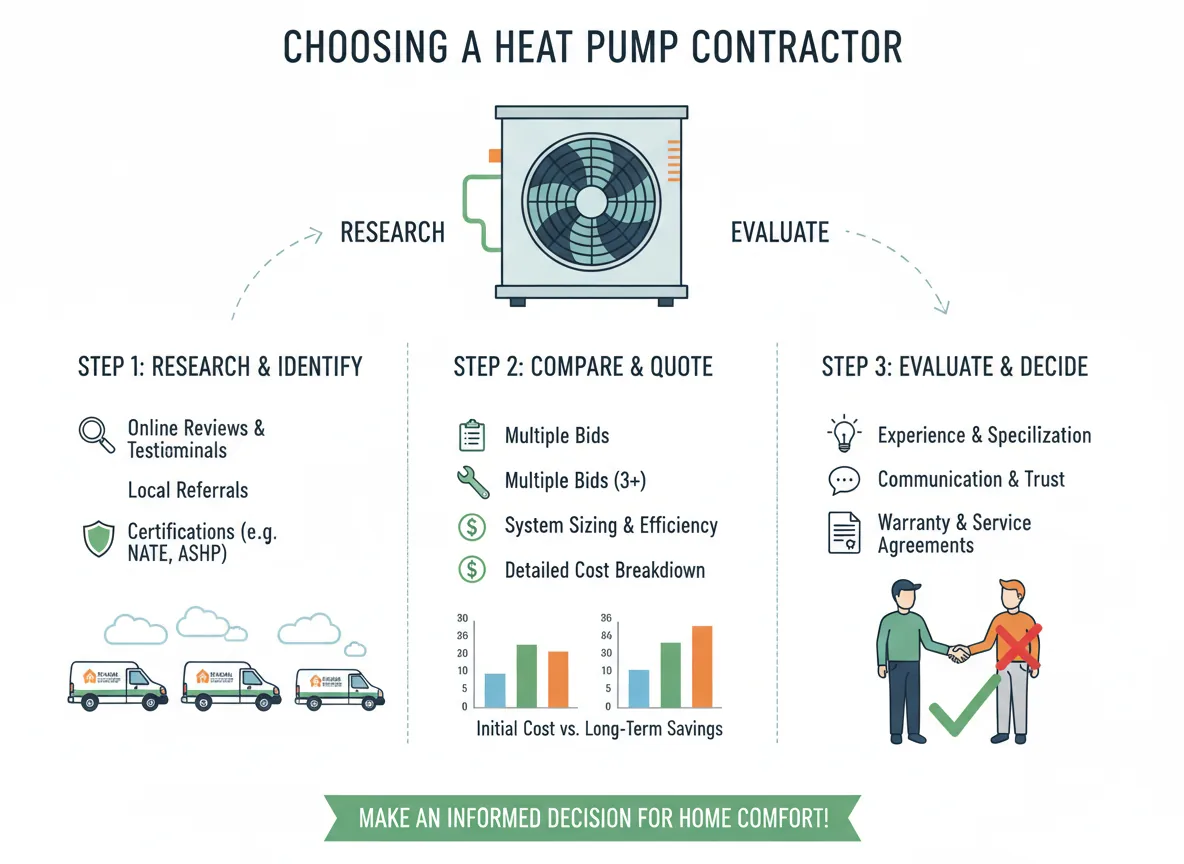
Choosing a Contractor Who Performs Load Calculations
A contractor should provide:
- Documented Manual J report
- Correct tonnage selection (Manual S)
- Airflow and duct design analysis (Manual D)
- Title 24 compliance documentation
- TECH Clean California certification, if you plan to apply for TECH Clean California incentives
What Makes A Good Heat Pump Contractor In Los Angeles
Calculate Your Estimated Heat Pump Cost (With Rebates)
Use our calculator to see your:
- Estimated installation cost
- Available rebates
- Estimated net price
👉 See how much a heat pump can cost you in Los Angeles with rebates
Rebate programs have their own rules and funding. See which are open right now in our heat pump rebates status guide.
Ready for a Properly Sized Heat Pump?
We provide:
- Manual J load calculations
- Manual S equipment selection
- Manual D airflow engineering
- TECH-certified installation
- AHRI certificate, final permit and paid invoice for your rebate application
- Title 24 compliance
- Premium commissioning