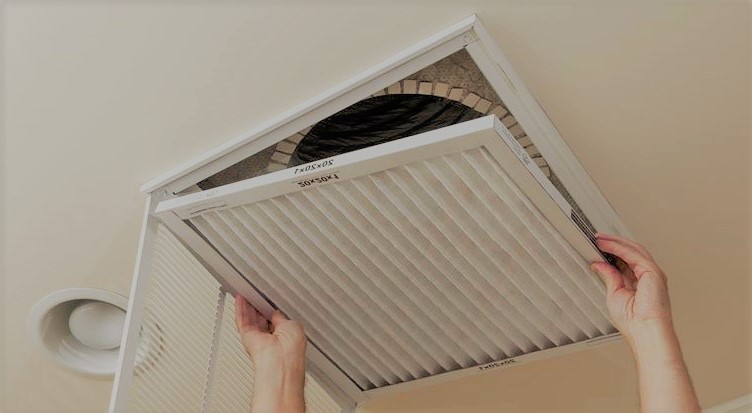
When it comes to buying brand new air filters for your HVAC system, you can choose from a wide variety of brands, shapes, and types of air filters. However, most air filters fall into two big categories – pleated vs non-pleated air filters.
Want the filtering handled for you? See our HVAC maintenance service in Los Angeles for maintenance plans that include filter changes and system checks.
Each type of filter has its own benefits and drawbacks. Keep reading to discover pleated vs non-pleated air filters, and which ones should you choose for your air conditioning system.
Pleated Air Filters – Why are they a Good Buy?

Pleated air filters are advanced filters that normally offer a much higher level of filtration than the standard filters provided by the manufacturer. These filters come in a wide variety of sizes to accommodate any HVAC system. You can find anything from 1-inch-wide filters to deep-pleated filters of 6-inch width.
According to the EPA (Environmental Protection Agency), pleated filters are much more efficient than non-pleated filters at capturing microscopic airborne particles. These filters, which are traditionally manufactured from a unique type of wire synthetic media, can successfully filter our dust mites, dust, pollen, mold, pet dander and even the smallest bacteria.
Pleated filters can be highly efficient and durable. They usually span MERV ratings of 5-12 and have a much-extended lifespan compared to their counterparts. Pleated filters are also exceptionally good as indoor air quality solution for allergy sufferers.
Non-Pleated Air Filters – Top Reasons to Buy them

Non-pleated air filters, on the other side, are less expensive and are most effective for large particles, such as lint, dust and even insects. Also known as “throw away “filters, non-pleated filters include fiberglass, electronic and electrostatic air filters.
Non-pleated air filters are not designed to last very long, so they are not very sturdy. However, you can choose to buy metal-reinforced fiberglass filters for extra rigidity. Most manufacturers recommend you to purchase non-pleated air filters because they offer very good filtration and good air flow, which is important for your air conditioner performance and efficiency.
One of the biggest benefits of buying non-pleated filters is that they fit any type and model of HCAV system and are quite inexpensive.
Pleated Air Filters – Negative Aspects
Pleated vs non-pleated air filters tend to greatly restrict air flow due to density of material they are made of. They tend to increase energy consumption and can skyrocket your energy bill.
Pleated air filters might also require you to modify your HVAC system in order to accommodate them. Ultimately, they are typically 3 times more costly than traditional non-pleated filters.
Non-Pleated Air Filters – Negative Aspects
Non-pleated air filters can only catch large debris and are ineffective against small particles. They are also very weak and have the lowest MERV rating available (less than 5). They must be replaced at a short time interval of around 30 days. This alone makes you waste precious time. To top it all, they are not a wise choice for allergy sufferers.
Pleated vs Non-Pleated – Which one Should you Choose?
So, pleated vs non-pleated air filters, what is the verdict?
If you prefer a traditional air filter that offers standard protection and is less expensive, go for non-pleated filters. However, if you need a better option for allergy sufferers and you do not want to waste precious time changing the filter every month, choose a durable pleated air filter.
How to Choose the Right Filter for Your HVAC System
Whichever style you lean toward, a few simple guidelines will help you pick the right filter for your system:
Match the size exactly. The filter must be an exact fit, not an inch more or less, or dust and debris will slip around it and into the system. Most systems take 1 inch thick filters, but some require a different thickness, so check what your system is designed to accept before buying.
Understand MERV ratings. Every filter carries a minimum efficiency reporting value, or MERV rating, that indicates how effectively it removes airborne particles. As a general guide, MERV 1-4 captures dust, MERV 5-8 captures pollen, dust mites, and mold, MERV 8-16 handles VOCs and harmful odors (these often include a carbon layer), MERV 13-17 traps bacteria and tobacco smoke, and MERV 15-20 filters are typically HEPA filters capable of removing viruses.
Do not exceed what your system can handle. Filters rated MERV 13 to 16 capture the most contaminants, but their small pores restrict airflow. Always confirm the right MERV rating for your system so it does not overexert itself and lose efficiency. HEPA filters in particular usually need an additional fan, so if your system was not built for one, the blower alone will not push enough air through.
Disposable or reusable. Washable filters cost more upfront but can save money over time. The tradeoff is washing and fully drying them about once a month, and most do not trap the smallest particles, so households with allergy or asthma sufferers are usually better served by disposable pleated filters.
Replace on schedule. Check your filter every month and replace it when dirty, or at least every three months, to keep airflow and efficiency where they should be.
About LA Heating and Air
We recommend you to do a test and try both filters over a period of one year in order to find out which one works best for you. As always, if you have any additional questions regarding your heating air conditioning system, or need assistance in making the decision, feel free to contact us online or by calling (818) 660-1062. To learn more about services our company offers, please visit our homepage.