




As the world seeks more sustainable and energy-efficient heating options, many homeowners are considering transitioning and replacing furnace with heat pump. Heat pumps offer several benefits, including lower energy consumption, reduced carbon emissions, and year-round comfort. If you're contemplating this switch, here's what you need to know:
Furnace
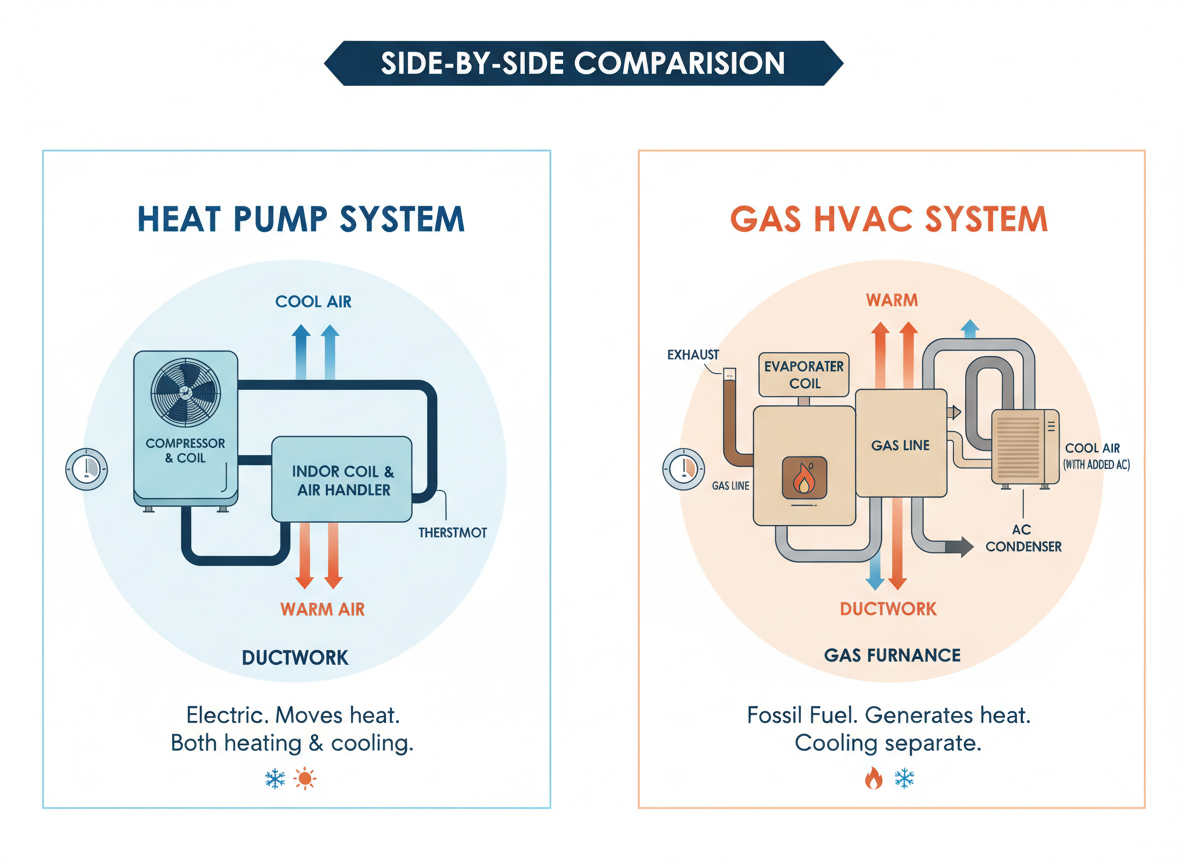
A furnace heats your home by burning fuel such as natural gas, oil, or propane. The heat it creates moves through ductwork to warm the entire house.
Heat Pump
A heat pump works differently. Instead of burning fuel, it uses electricity to move heat from one place to another.
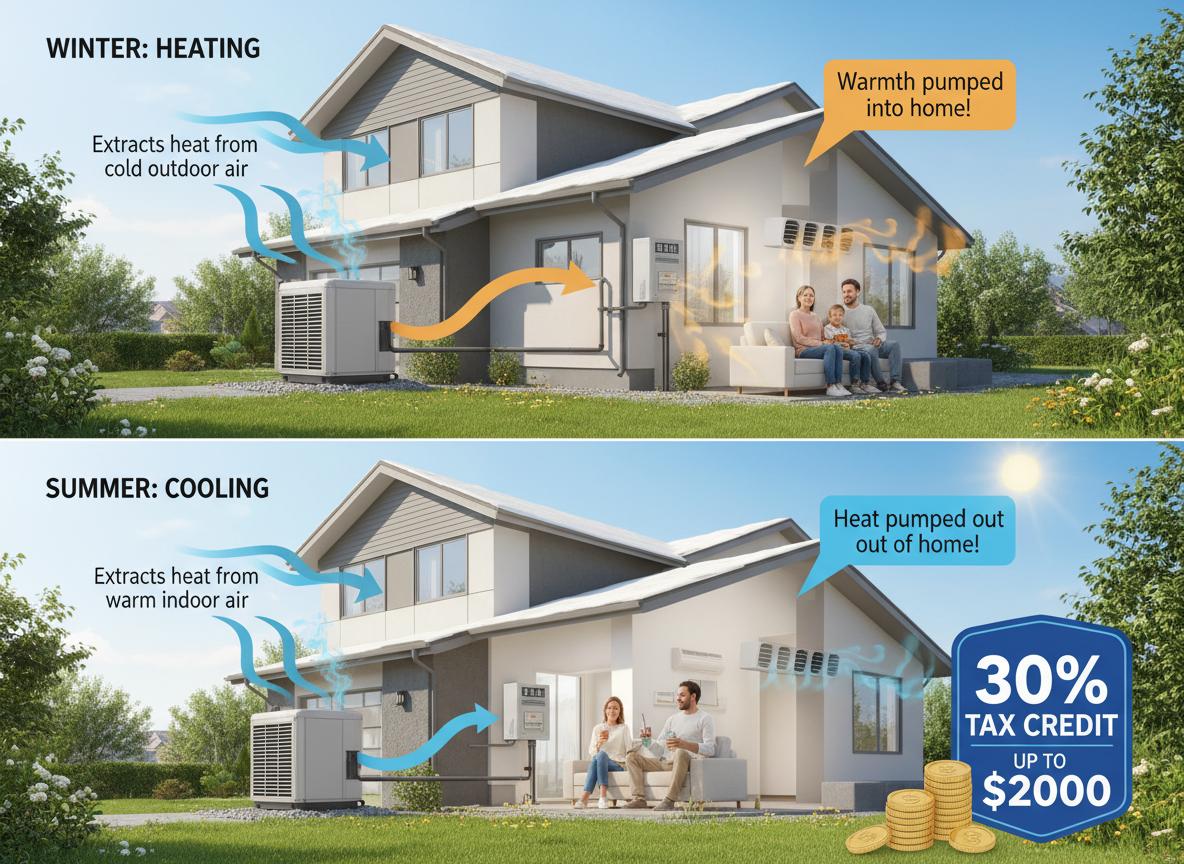
- In winter: It pulls heat from the outside air (yes, even when it’s cold!) and brings it indoors.
- In summer: It works in reverse to remove heat from your home and cool it down.
Factors to Consider When Switching From a Furnace to a Heat Pump
Switching from a traditional furnace to a heat pump can bring many benefits. Here are the main advantages:
1. Increased Energy Efficiency
Heat pumps are much more energy-efficient than furnaces, especially in places with mild or moderate winters. Instead of making heat by burning fuel, they simply move heat, which uses less energy.
This can help lower your monthly energy bills and reduce your home’s carbon footprint.
2. Lower Operating Costs
Because heat pumps use electricity to transfer heat, they often cost less to run than fuel-burning furnaces. Homeowners in warmer climates can save even more because heat pumps don’t need as much energy to work.
3. Year-Round Comfort
A furnace can only heat your home.
A heat pump can heat AND cool, giving you year-round comfort in one system.
In summer, it cools your home just like an air conditioner.
4. More Consistent Indoor Temperatures
Furnaces turn on and off throughout the day, which can cause noticeable hot and cold spots.
Heat pumps run at lower speeds for longer periods, giving you more steady, even temperatures and better comfort.
5. Environmental Benefits
Heat pumps are better for the environment because they:
- Use less energy
- Create fewer greenhouse gas emissions
- Reduce the need for fossil fuels
Switching to a heat pump can help your home be cleaner and more eco-friendly.
6. Longer Lifespan
Heat pumps often last 15 to 20 years or more with proper maintenance. Many furnaces have shorter lifespans, meaning you may need to replace them more often.
7. Improved Indoor Air Quality
Many heat pumps come with built-in air filters that help remove dust, allergens, and other particles.
This can improve air quality, especially helpful for families with allergies or asthma.
8. Quiet Operation
Heat pumps run much quieter than furnaces.
If you prefer a peaceful indoor environment, a heat pump is a great choice.
What to Expect During the Heat Pump Installation Process
Switching from a furnace to a heat pump involves several steps:
1. Assessment
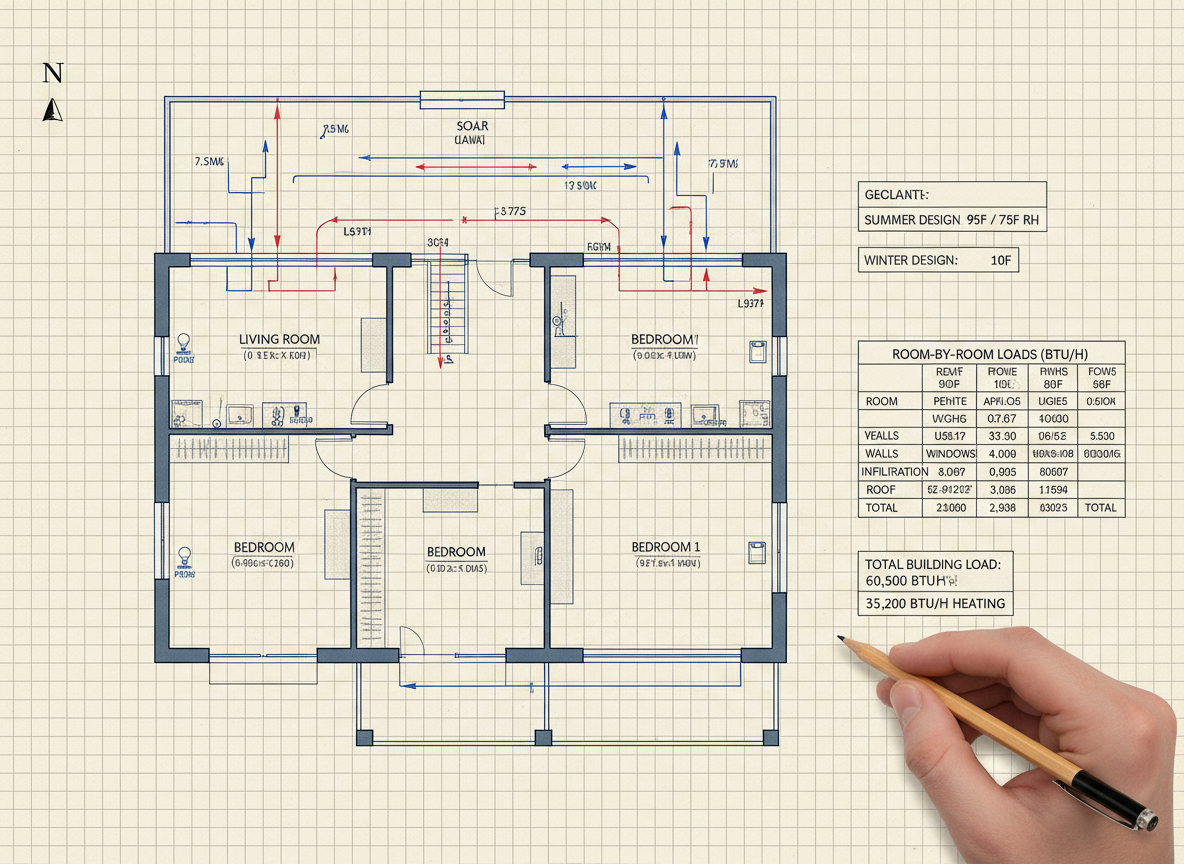
An HVAC technician will inspect your home to understand your heating and cooling needs and help choose the right type of heat pump.
2. Equipment Selection
The technician will suggest the best system for your home, such as:
- Air-source heat pump
- Geothermal (ground-source) heat pump
- Ductless mini-split heat pump
3. Installation
The old furnace is removed (if needed), and the new heat pump system is installed. This includes:
- An outdoor unit
- One or more indoor units
- Refrigerant lines
- New electrical connections
4. Ductwork Changes
Some systems may need ductwork updates to work properly.
Ductless mini-split heat pumps don’t use ducts at all, they mount directly on the wall inside each room.
5. Testing and Final Checks
After installation, the technician will:
- Test the system
- Check airflow
- Confirm efficiency
- Show you how to use and maintain the heat pump
Contact LA Heating and Air
Replacing furnace with heat pump can be a smart choice for homeowners looking to reduce their carbon footprint and energy costs. However, it's essential to consider factors such as climate, upfront costs, and ongoing operating expenses before making the switch. Give us a call today or contact us online can help you determine the best heating solution for your home. With proper installation and maintenance, a heat pump can provide efficient and reliable heating and cooling for years to come. Remember to inquire about any available rebates, incentives, or financing options that may help offset the initial cost of installing a heat pump and make the transition even more financially appealing.


.png)


