




Factors to Consider
When it comes to choosing the right heat pump for your home, it's essential to consider several factors to ensure you choose the right system that meets your heating and cooling needs efficiently. With various types and models available on the market, understanding these key factors can help you make an informed decision that maximizes comfort and energy savings when considering heat pump replacement.
Size and Capacity
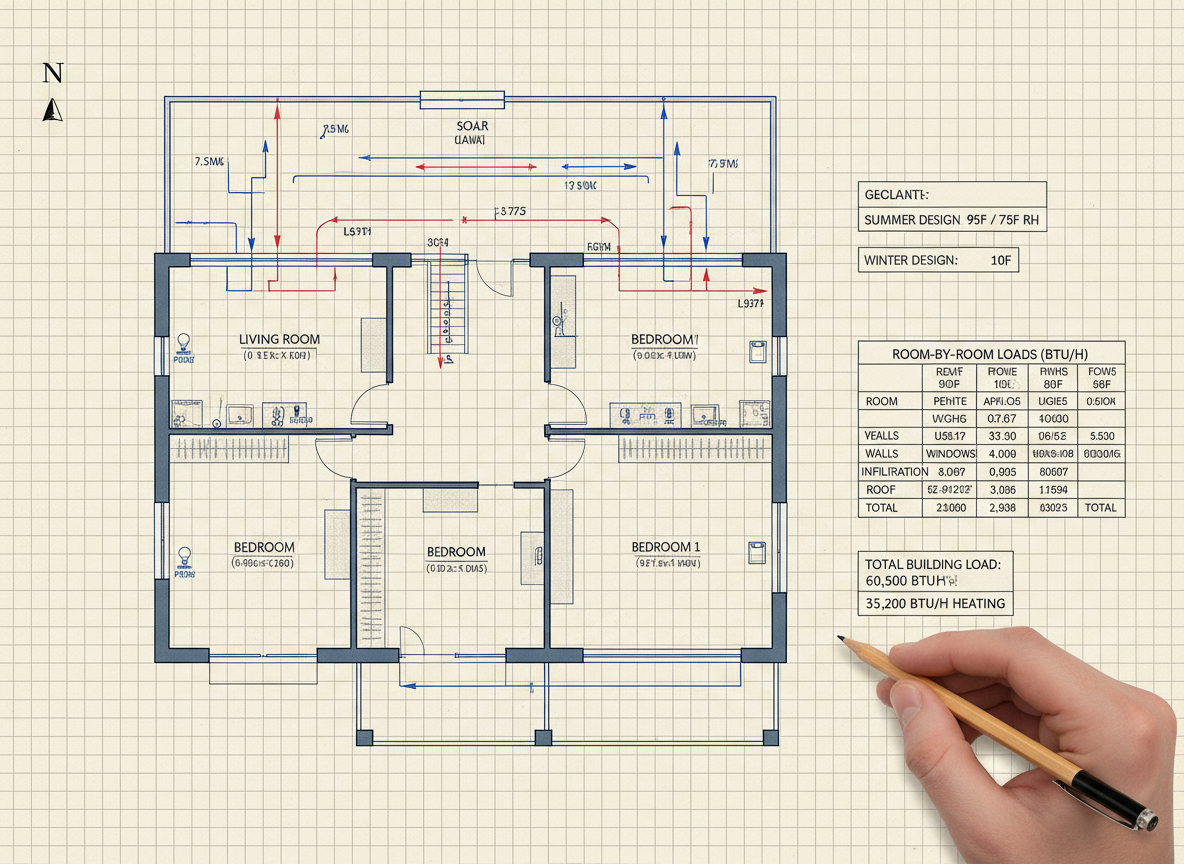
Selecting the right size and capacity of a heat pump for your home is crucial for ensuring efficient operation and optimal comfort. A heat pump that is too small may struggle to adequately heat or cool your home, leading to uneven temperatures and increased energy consumption. Conversely, an oversized heat pump may cycle on and off frequently, resulting in unnecessary wear and tear on the system, heat pump repairs, and higher utility bills. By selecting the right size and capacity of a heat pump for your home, you can ensure efficient operation, lower energy costs, and enhanced comfort year-round. Consult with a qualified HVAC technician to determine the appropriate size for your home.
Climate Considerations
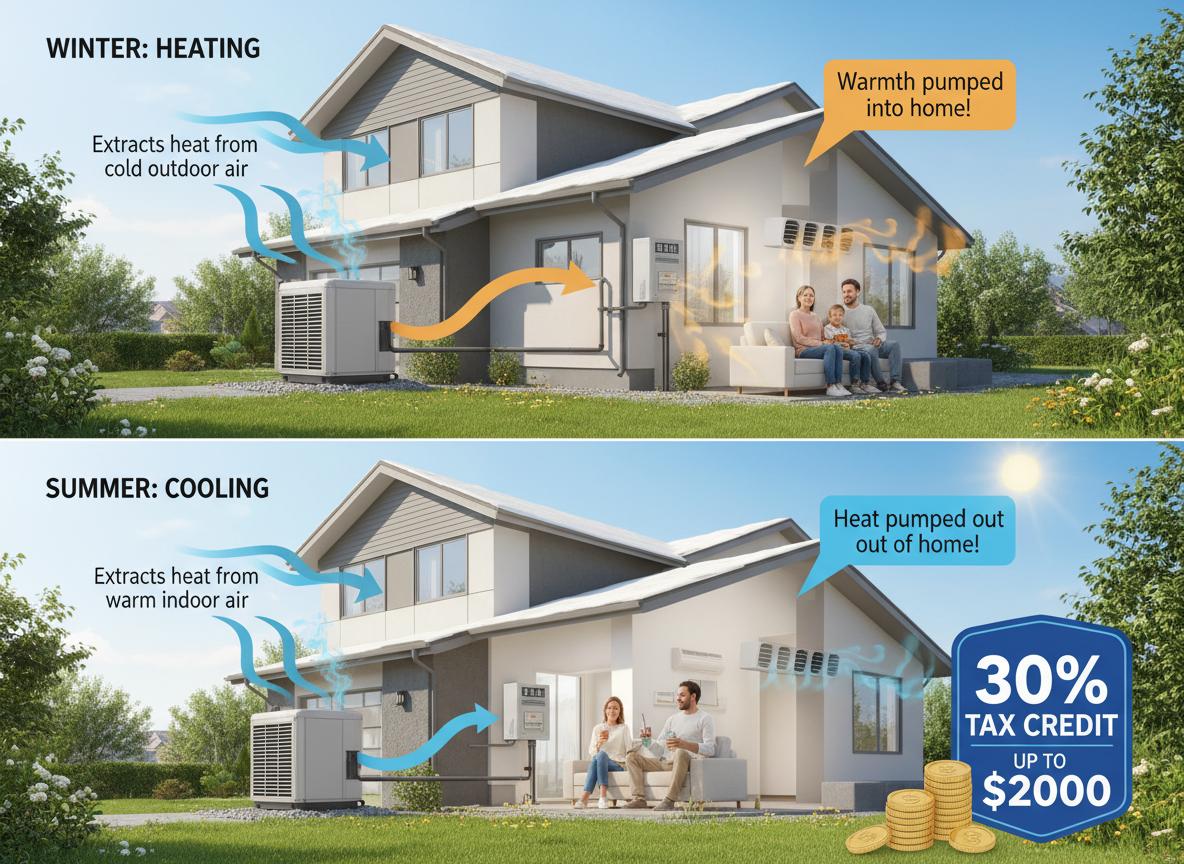
The climate in which your home is located plays a significant role in determining the most suitable type of heat pump for your needs. In regions with moderate climates, such as coastal areas or areas with mild winters, air-source heat pumps are often a popular choice. These systems efficiently extract heat from the outdoor air during the heating season and provide cooling during the warmer months. However, in areas with extremely cold winters, air-source heat pumps may struggle to maintain sufficient heat output, leading to decreased efficiency and comfort.
For homes in colder climates, ground-source (geothermal) heat pumps offer a more reliable solution. These systems harness the stable temperatures found underground, where temperatures remain relatively constant year-round, regardless of outdoor conditions. While ground-source heat pumps typically have a higher upfront cost and require more extensive installation, they provide consistent heating and cooling performance even in the harshest climates. Additionally, ground-source heat pumps may qualify for tax credits, rebates, or other incentives due to their high efficiency and environmental benefits.
It's essential to consider the specific climate conditions in your area when selecting a heat pump, as choosing the right system can ensure optimal performance, energy efficiency, and comfort throughout the year. Consulting with a qualified HVAC technician can help you determine the most appropriate heat pump solution for your climate and heating and cooling needs.
Energy Efficiency
Look for heat pumps with high Energy Efficiency Ratio (EER2) and Seasonal Energy Efficiency Ratio (SEER2) ratings, which indicate the system's efficiency in cooling mode, and Heating Seasonal Performance Factor (HSPF2) for heating mode. ENERGY STAR-certified heat pumps typically meet stringent efficiency standards and may qualify for utility rebates or incentives.
Dual Fuel Capability
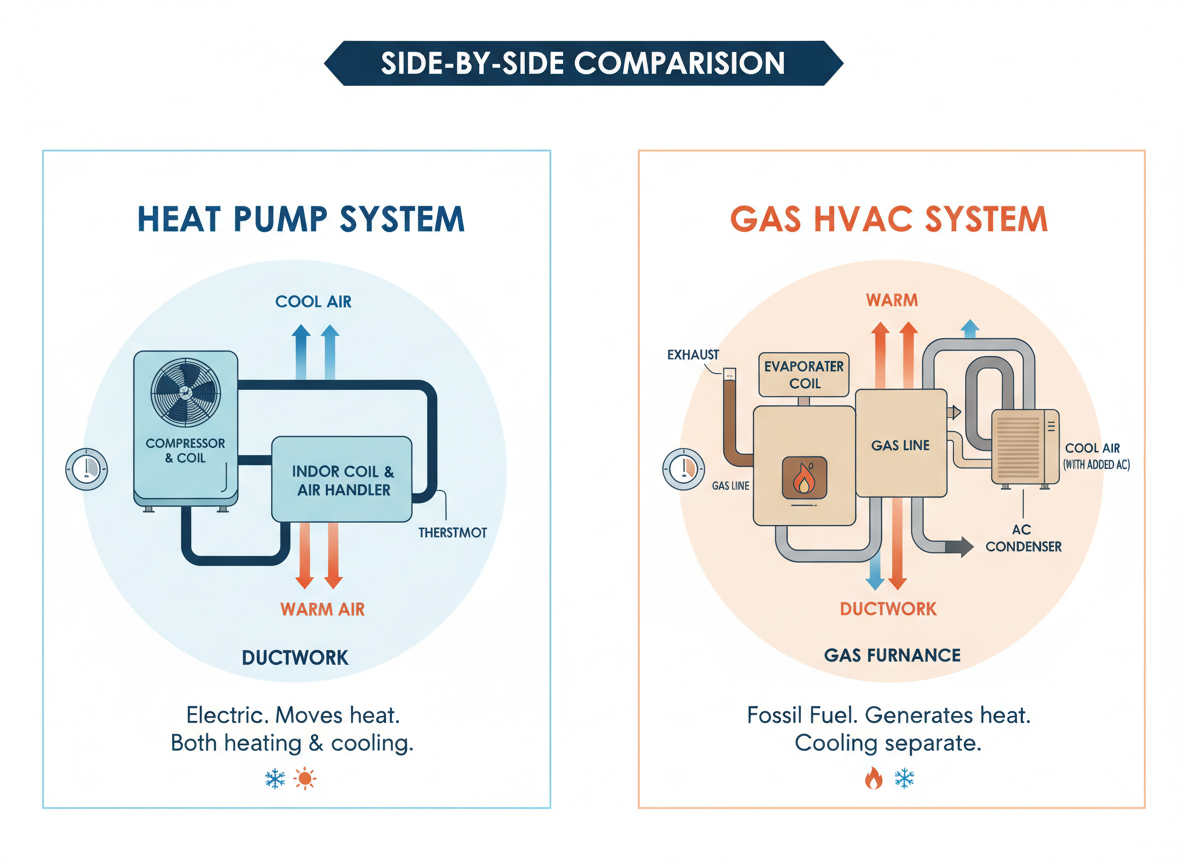
Some heat pumps offer dual fuel capability, allowing them to switch between electric heating and a backup fuel source, such as natural gas or propane, for enhanced efficiency in colder temperatures. Consider whether dual fuel capability is beneficial for your climate and heating needs.
Zoning and Controls
Zoned heating and cooling systems allow you to divide your home into separate zones with individual temperature controls, providing personalized comfort and energy savings. Look for heat pump systems that offer zoning capabilities and advanced control options, such as programmable thermostats or smart home integration.
Installation Requirements
Consider the heat pump installation requirements and compatibility with your existing HVAC system, ductwork, and electrical setup. Air-source heat pumps may be easier to install and retrofit into existing homes, while ground-source heat pumps require sufficient space for underground loop installation and may be more suitable for new construction or major renovations.
Budget and Lifecycle Costs
Evaluate the upfront cost, installation expenses, and potential long-term savings in energy bills when comparing different heat pump options. While high-efficiency models may have a higher initial investment, they can provide significant savings over the lifespan of the system through reduced energy consumption and lower operating costs.
Contact LA Heating and Air
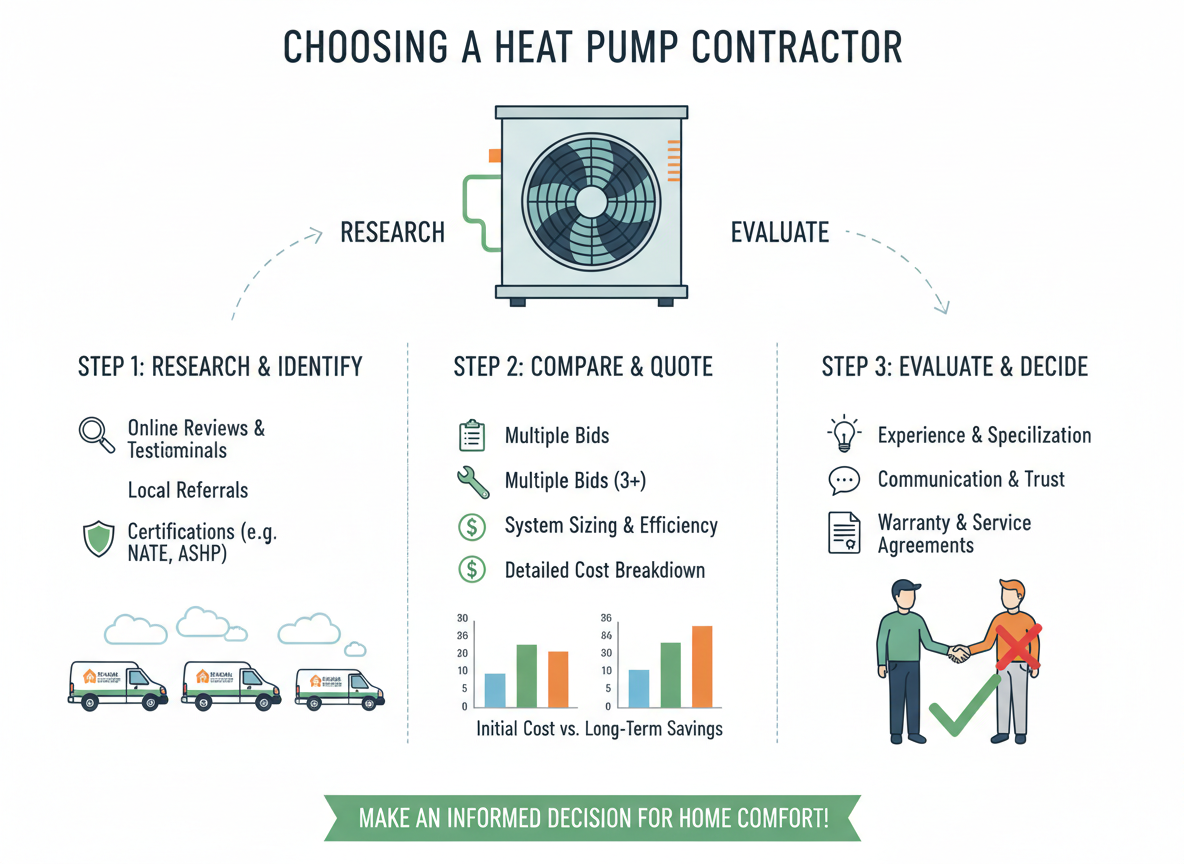
Choosing the right heat pump for your home involves careful consideration of factors such as size and capacity, climate suitability, energy efficiency, dual fuel capability, zoning options, installation requirements, and lifecycle costs. By assessing these factors and consulting with HVAC professionals, you can select a heat pump that optimizes comfort, energy savings, and overall performance for your home. Give us a call today or contact us online we are here to help you.


.png)


