Top Rated AC Repair In Woodland Hills
Is your HVAC system down? Book a service call now for a 5-star experience.
When your AC fails on a 110-degree afternoon, our technicians are already in the neighborhood. We charge a flat $99 service call fee that gets waived completely when you approve the repair. No separate diagnostic charges, no inflated labor rates, just honest pricing from your neighbors down the street. Woodland Hills is our home. LA Heating and Air is headquartered right here at 6430 Variel Ave in Woodland Hills.
.jpg)


Call (818) 660-1062 to Schedule a service call
Customer Reviews for AC Repair Woodland Hills
Same-Day AC Repair Woodland Hills
Our diagnostic fee is $99. If you approve the repair, we waive that fee completely. You only pay for the repair itself. No hidden charges. No surprises. We will ask a few questions about your AC problem and find the earliest available appointment. Most days, that means same-day service. We give you a real time window and our technician calls when they are about 30 minutes away. Woodland Hills is one of the hottest places in Los Angeles County. Summer temperatures here reach 110 degrees or higher. A broken AC turns your home into an oven within hours. Waiting is not an option. When your AC stops working in Woodland Hills, you need help today. Not tomorrow. Not in a few days.
Call us at (818) 660-1062
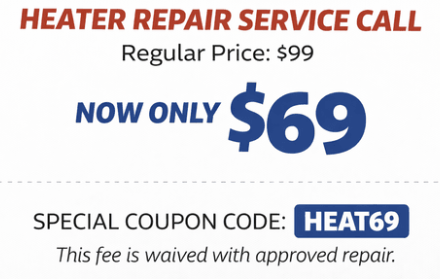
$99 Service Call Fee Waived with Approved Repair
Our diagnostic fee is $99. That covers the trip to your Woodland Hills home, an inspection to diagnose the problem, and a written repair quote with flat rate pricing. Approve the repair and the $99 goes away, you only pay for the fix.
Here's what that looks like in real numbers. Capacitor replacement runs $240–$295. Contactor replacement costs $250–$375. Fan motor replacement falls between $400–$750. Refrigerant recharge runs $300–$600 depending on the type and amount needed. These are flat rates, not hourly labor plus surprise parts markups.
If your system needs a major repair that approaches the cost of replacement, we'll tell you. We'll show you the math on both options and let you decide. We fix what should be fixed and replace what should be replaced—no pushing either direction.
Weighing a new system? See your options for AC replacement in Los Angeles.
Call (818) 660-1062 to Schedule Your HVAC Services Today
Why Woodland Hills Homeowners Trust LA Heating and Air
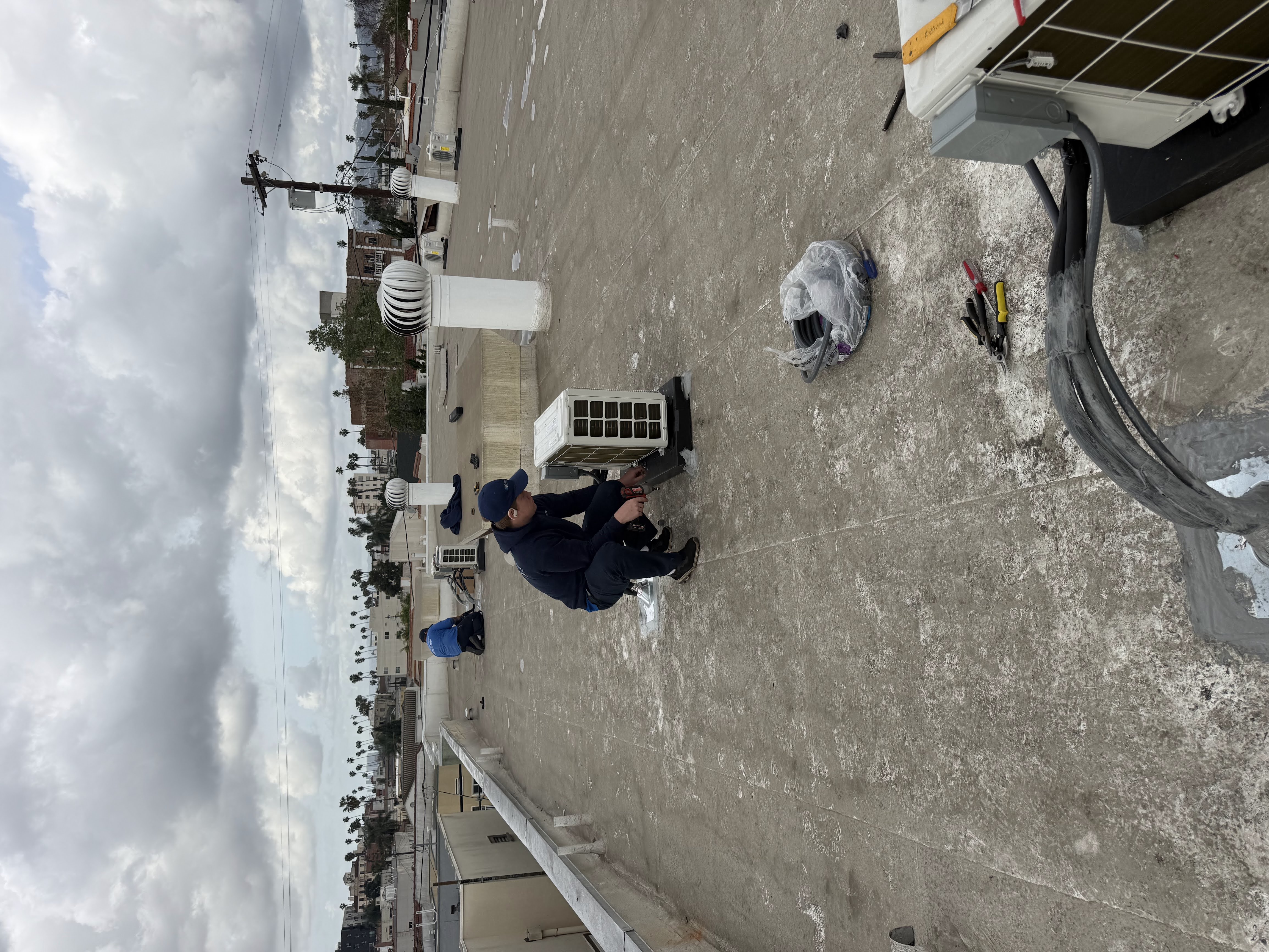
We've operated from Woodland Hills since 2009. California Contractor License #952950. EPA Section 608 certified for refrigerant handling. Fully insured for residential and commercial work.
LA Heating and Air has some of the highest rated and best technicians that have completed work at Westfield Topanga Mall and Northridge Fashion Center, these 5-star technicians take the same care and attention to each homeowner they visit. We perform maintenance with precise reporting that gets emailed to you.
Commercial AC Repair
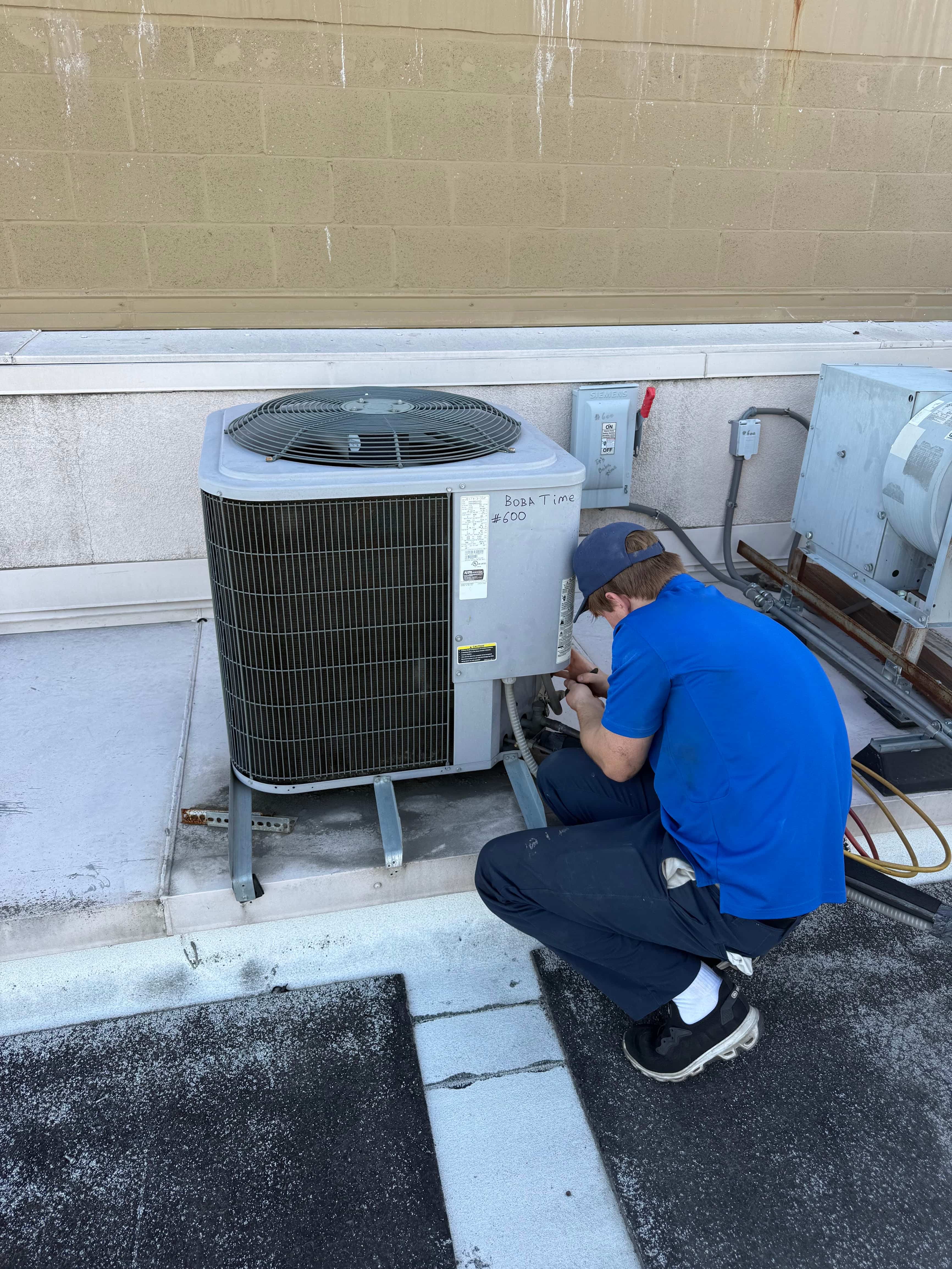
LA Heating and Air provides commercial AC repair for office buildings, medical practices, restaurants, retail shops, and professional services. All of these businesses need reliable AC to keep customers comfortable and employees productive. When commercial systems fail, we prioritize those calls because we understand what downtime costs. We work on all light commercial HVAC system types: rooftop units, split systems, and VRF systems.
We service tenants at the Westfield Topanga Mall and can respond very quickly because we are located in Woodland Hills. That's the same reason Woodland Hills businesses call us, proximity matters when your customers are sweating. Commercial AC repair with a technician who's five minutes away beats a contractor who's "somewhere in the Valley."
We offer commercial AC maintenance contracts with priority scheduling for property managers who want reliable service without chasing down contractors every time something breaks. One call, fast response, and we show up when we say we will.
Get In Touch Today
We’re ready to help! Complete the form below, and we'll get back to you as soon as possible, or you can book online or call us 24/7.

Woodland Hills AC Repair: Frequently Asked Questions
Why does my AC struggle so much during Woodland Hills summers?
Woodland Hills is regularly one of the hottest spots in Los Angeles County. The Pierce College station often records the Valley's highest temperatures, well over 100 degrees. That constant load exposes any weak capacitor, low refrigerant charge, or aging part, which is why AC repairs spike here in summer.
Do you offer same-day AC repair in Woodland Hills?
Yes. We are the local team based at 6430 Variel Ave, and we offer same-day AC repair across Woodland Hills. Your $99 service call is waived when you move forward with the repair. Call (818) 660-1062.
My AC runs but the house will not cool below 80 degrees. Can you fix that?
That is one of the most common calls we get during a Woodland Hills heat wave. It usually points to a failing compressor, low refrigerant, a dirty condenser coil, or an undersized system. We diagnose the exact cause the same day instead of guessing.
My older Woodland Hills home has an aging AC. Should I repair or replace?
If the system is over about 12 to 15 years old and repairs are adding up, replacement is often the better value, especially with LADWP rebates on a new high-efficiency system. We show you the honest numbers on both options instead of pushing a replacement.