




Ductless mini-split air conditioning has become one of the most popular ways to cool and heat a home in Los Angeles, especially for spaces a central system cannot reach. If you have a room that never gets comfortable, an addition or ADU with no ductwork, or an older home that was never built for central air, a ductless mini-split is often the simplest fix. Here is how the system works, along with the real pros and cons, so you can decide if it fits your home.
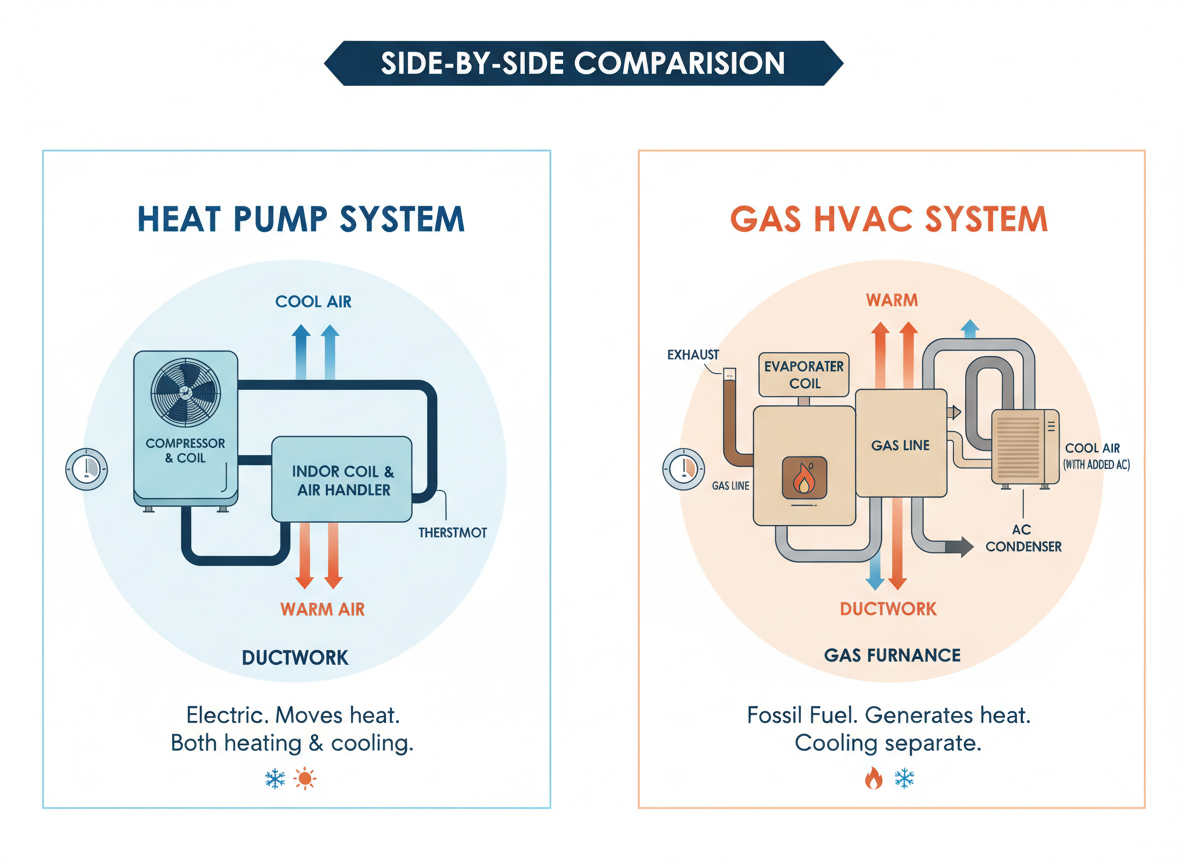
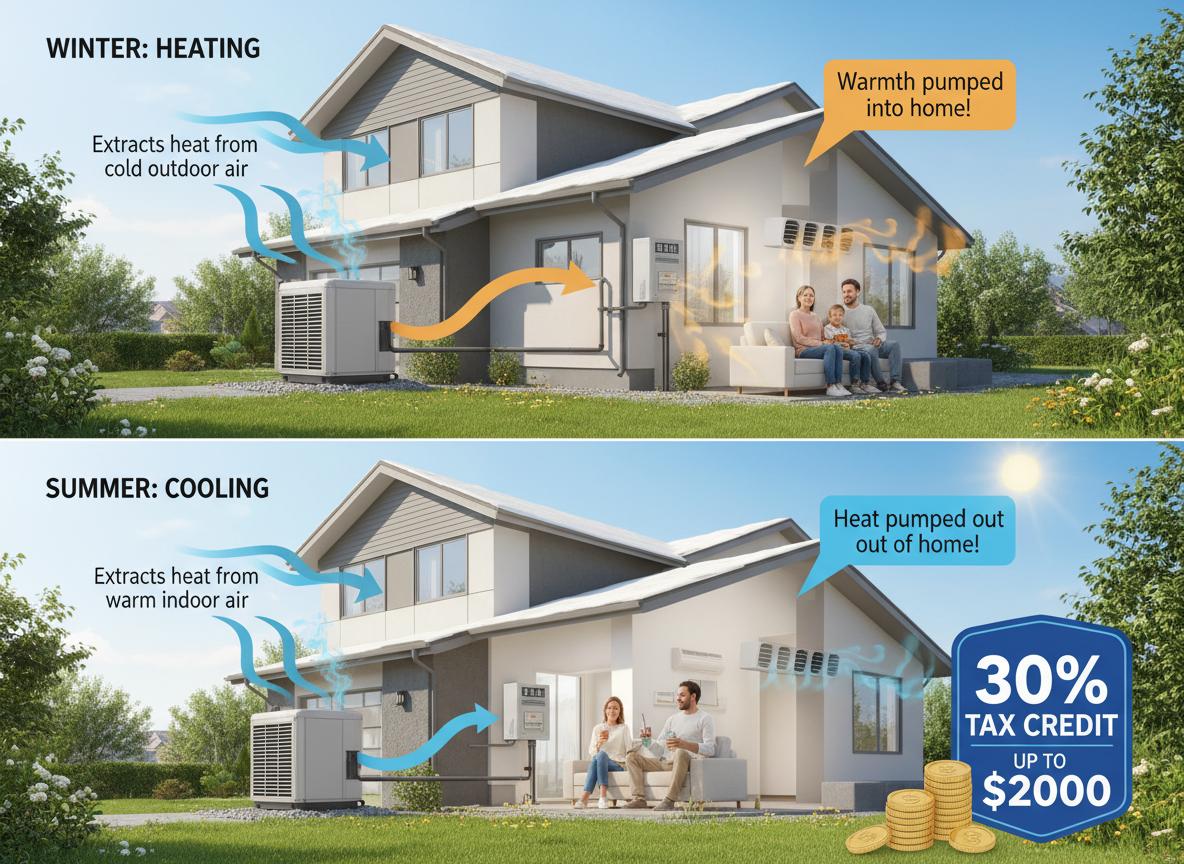
How a Ductless Mini-Split WorksA ductless mini-split has two main parts: an outdoor condenser and one or more indoor "heads" mounted on a wall or ceiling. Instead of pushing air through ducts, each head conditions the room it sits in directly. The two units connect through a small refrigerant line set and a power cable that run through a three-inch hole in the wall, so installation is far less invasive than adding ductwork. Because most mini-splits are heat pumps, the same system cools in summer and heats in winter by moving heat rather than burning fuel. Inverter-driven compressors ramp up and down instead of cycling fully on and off, which is what makes them so quiet and efficient. In a multi-zone setup, one outdoor unit runs several heads, and each head has its own thermostat.
The Pros
- No ductwork required, ideal for additions, garage conversions, ADUs, and older homes.
- Room-by-room control, so you only condition the spaces you use and everyone can set their own temperature.
- Lower energy bills, since you avoid the large losses that happen inside ductwork and the inverter sips power.
- Quiet operation, because the noisy compressor sits outside.
- Heating and cooling in one heat pump, which qualifies for the same California rebates as a whole-home system.
- Cleaner air from multi-stage filters and no dirty ducts circulating dust.
The Cons
- Higher upfront cost than a window unit, though rebates and energy savings narrow the gap.
- The indoor head is visible, which is a design tradeoff some homeowners weigh.
- Whole-home coverage can mean several heads, which adds cost versus one central system.
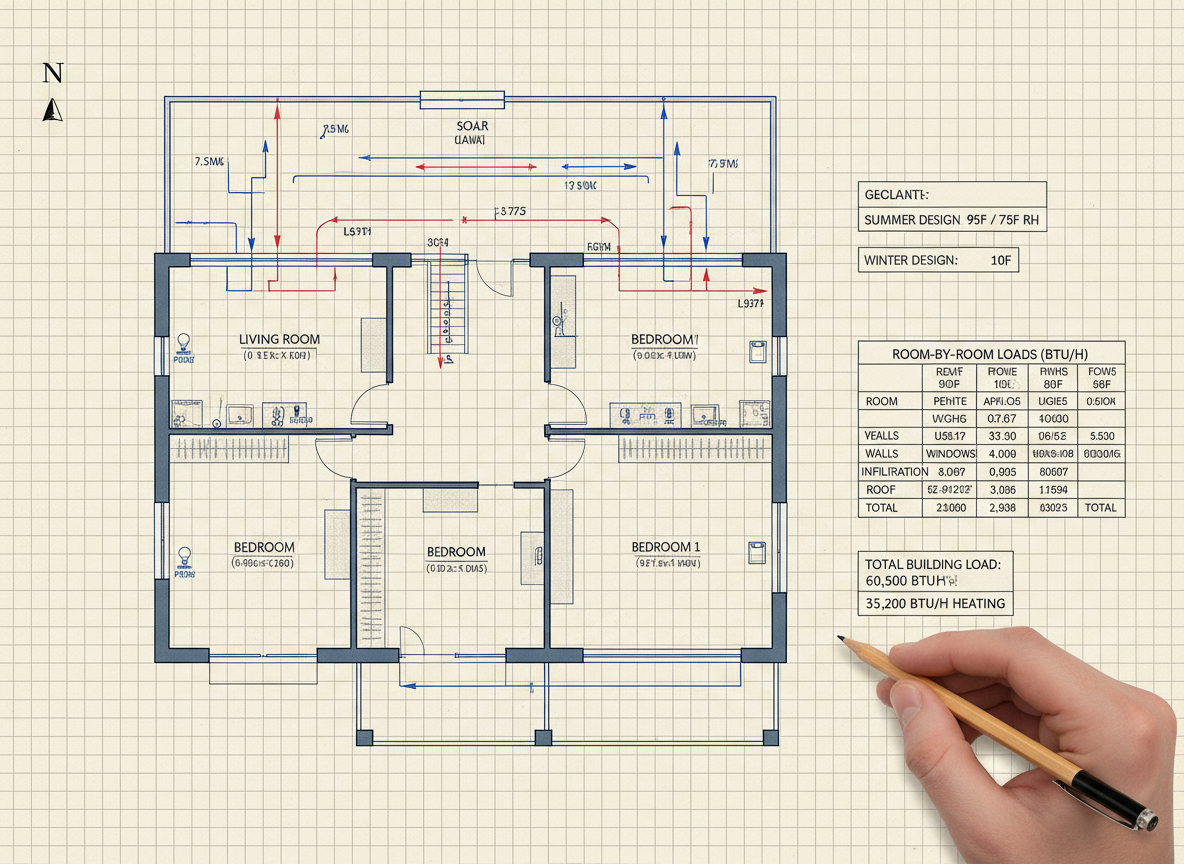
- Sizing and placement are critical, since the wrong size short-cycles and wastes energy.
- They need regular cleaning, because the blower wheel and coil collect dust and moisture and can grow mold without regular mini-split maintenance.
Is a Ductless Mini-Split Right for Your Home?A mini-split is usually the best choice when your central system works but cannot keep up with one or two rooms, when you are conditioning a space with no ductwork, or when you want independent control and lower bills. If your home already has solid ductwork and a healthy central system, there is no need to switch. Either way, the key is correct sizing and a clean, professional install.
If you are considering ductless for your Los Angeles home, our team handles ductless mini-split installation across the San Fernando Valley and greater LA, and we will size the system to your space and walk you through any rebates you qualify for. Call or book online for a free estimate.


.png)


